Employee engagement has hit a wall
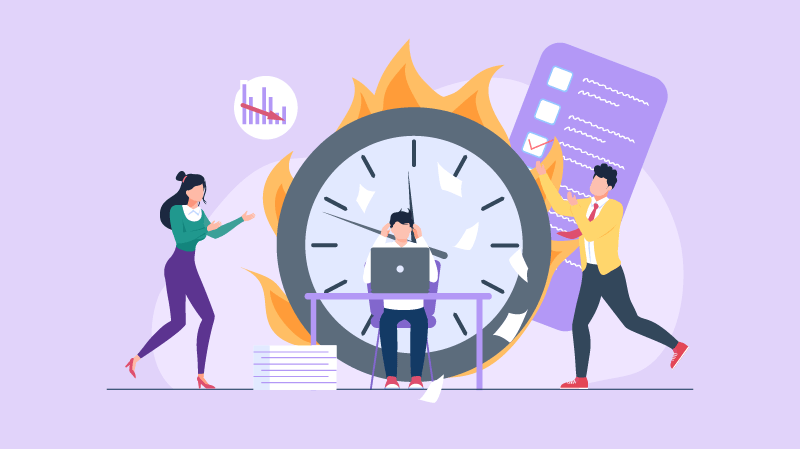
Gallup's 2025 State of the Global Workplace Report shows that only 31% of U.S. employees are actively engaged, the lowest level in a decade. Seventeen percent are actively disengaged. Sixty-two percent are present at work, but not fully invested.
Disengagement costs an estimated $438 billion in lost productivity each year. More than half of employees say it's a good time to look for a new job, putting employee retention at the top of every HR agenda. This isn't a short-term dip. It signals a broader reset in how people experience work. So in 2026, leading organizations are rethinking engagement at its core.
The following 8 trends reflect what's changing, and what HR leaders need to act on now.
Why Employee Engagement Is Declining
Three structural forces are converging. And if you want to build a real response, understanding them is where you have to start.
The Trust Deficit
Only 21% of employees say they trust their organization's leadership (Gallup, 2025). Trust is the operating system beneath every engagement effort. So without it, recognition feels performative, feedback becomes procedural, and culture initiatives feel scripted. When employees notice the gap between stated values and lived experience, and that gap persists, engagement erodes quietly.
Manager Burnout
Recognition Programs Stuck in the Past
Only 31% of employees rate their organization's recognition programs as effective (SHRM). Most still rely on annual awards, manager-only recognition, and top-down models designed for a workforce that no longer exists. When you combine low trust, manager burnout, and outdated recognition, engagement weakens at the foundation, and so does leadership resilience.
8 Employee Engagement Trends Reshaping the Workplace in 2026


Employee Engagement Trends: 2024 vs. 2025 vs. 2026
Understanding the direction of travel helps you get ahead of the curve rather than catch up to it. Know where each trend is headed and you can act early, not late.
| Trend | 2024 | 2025 | 2026 |
|---|---|---|---|
| Data-Driven Culture | Annual surveys | Quarterly pulse cycles | ↑ Real-time team dashboards |
| AI Recognition | AI-generated messages | AI-assisted nudges | ↑ AI spots who's being missed |
| Wellbeing | Physical wellness | Mental health integration | ↑ One platform for mind, body & finances |
| Hybrid Work | Hybrid as exception | Hybrid as standard | → Same experience in-office or remote |
| Employee Listening | Annual surveys | Semi-annual surveys | ↑ Continuous listening, not just surveys |
| Manager Enablement | Managers own engagement | Manager training programs | ↑ Orgs enable managers with data + tools |
| Total Rewards | Millennial-centric perks | Generational preference surveys | ↑ Flexible, life-stage-aware design |
How Leading Companies Are Responding
Here's an organization that didn't just adopt an engagement program. It redesigned its approach from the ground up.
Wipro: Building a Recognition Culture at Enterprise Scale
230,000 employees · 66 countries
Wipro needed a recognition culture that could travel — one that didn't depend on managers having bandwidth or employees being in the same office as the people who could recognize them.
Wipro deployed Vantage Circle's "Winners' Circle" peer recognition program to democratize appreciation at scale. The core insight: recognition at enterprise level has to be peer-driven, because no top-down system can reach 230,000 people consistently.
FAQs About Employee Engagement Trends
What are the biggest employee engagement trends in 2026?
The 8 key trends are: data-driven people-first culture, AI-powered recognition, holistic wellbeing, hybrid work playbooks, continuous employee listening, skills-based internal mobility, manager enablement, and multigenerational total rewards redesign.
Why is employee engagement declining in 2026?
Three structural forces: trust deficit (only 21% of employees trust their leadership), manager burnout at 56% which cascades directly to team engagement, and recognition programs that only 31% of employees rate as effective. Together, they create a compounding drag that annual surveys and one-off initiatives can't fix.
What role does AI play in employee engagement in 2026?
AI's primary role is supporting managers, not replacing them. It surfaces overlooked employees, flags recognition gaps, and identifies patterns that predict disengagement before it becomes attrition. The key is AI-assisted recognition, not AI-generated: human intent stays at the center.
How do you build an employee engagement strategy from scratch?
Start with diagnosis, not programs. Run a short pulse survey, identify your biggest gap (trust, recognition, listening, or wellbeing), give managers real-time team-level data, and close the feedback loop visibly: "You told us X, we did Y." Track one metric monthly. The biggest mistake is launching a program before you understand the root cause.

This article is written by Supriya Gupta. Supriya Gupta is a Content Marketing Lead at Vantage Circle, driving content strategy and thought leadership. She builds narratives that drive engagement and align brand purpose with impact.
Connect with Supriya on LinkedIn.