Let's be honest — in 2026, employee recognition can make or break your workplace.
Do it right, and you inspire loyalty, motivation, and performance.
Do it wrong, and you watch your best people walk out the door.
Research
Vantage Circle's joint study with Great Place to Work® India — covering 5.7 million employees across 2,000 organizations — found that only 55% of employees feel truly recognized at work. Among the other 45%, even top performers may be quietly disengaged. This isn't a perception problem. It's a design problem.
What's Changed in 2026
Remote and hybrid teams mean fewer "spontaneous thank-you" moments.
Employees expect recognition that's personal, frequent, and genuine.
A strong culture and emotional connection matter just as much as salary.
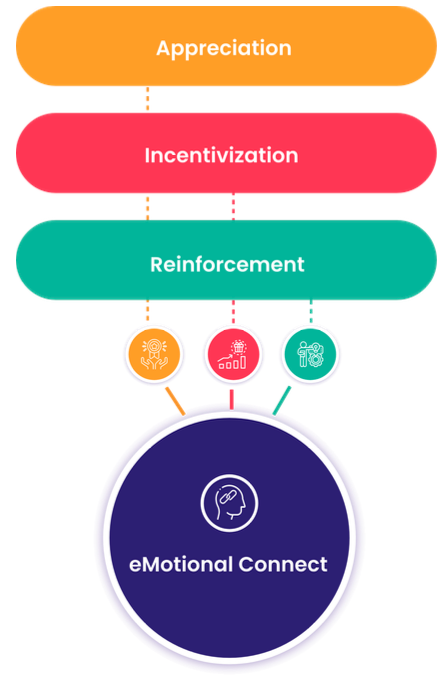
This is where the AIRe Framework comes in. Built around four pillars — Appreciation, Incentivization, Reinforcement, and eMotional Connect — AIRe bridges the gap between human connection and data-driven impact.
In the meantime ask this question: Is recognition about generic rewards?
If your answer is yes then you need to re-evaluate your approach towards recognition. However, my answer will always be no, it's not. It's about creating a recognition system so intentional and impactful that it becomes your competitive edge.
Because in today's workplace, recognition isn't an HR checkbox. It's a culture multiplier — and AIRe is the blueprint.
What is Employee Recognition?
Employee recognition is the intentional act of acknowledging and appreciating employees for their contributions, achievements, and positive behaviors at work.
It can be as simple as a verbal "thank you" or as structured as a formal rewards program — the goal is always the same: to make people feel valued and seen for the work they do.
Appreciation
Acknowledging someone's inherent worth as a person
Recognition
Celebrating specific achievements and contributions
Rewards
Tangible benefits tied to performance outcomes
Smart companies use all three, but appreciation is the foundation. Without it, the other two feel fake and transactional.
Why is Employee Recognition Important for Business
After years in the recognition sector, I've learned one hard truth: employee recognition isn't touchy-feely HR nonsense. It's business survival. The companies that get this right dominate their industries. The ones that don't? They're constantly bleeding talent.
Research
Our 2025 joint research with Great Place to Work® India found: +18 pp in motivation · +21 pp in intent to stay · +16 pp in agility. 98% of employees in high-recognition environments report strong workplace sentiment, but when even one emotional signal is missing, that figure drops to 83%.
Quote
"Whatever you recognize will be repeated. It's the most proven principle of management — and it works not just with employees, but in every relationship." — Dr. Bob Nelson, Inventor of Employee Appreciation Day, Author of 1,501 Ways to Reward Employees (listen to the full podcast)
0pp
Increase in motivation
0pp
Higher intent to stay
0pp
Increase in agility
0%
Employees who feel truly recognized
🏃
Boosts Employee Retention
31% fewer employees lost — at companies with recognition programs
›
The research is brutal but honest: companies with recognition programs lose 31% fewer employees. But let me tell you what that really means in human terms.
Last year, I watched a competitor lose their entire marketing team in four months. Not because of pay — they were paying well. Not because of workload — it was reasonable. They lost them because nobody said "thank you" for the campaign that saved Q3.
Meanwhile, our marketing director still talks about the handwritten note our CEO left on her desk after that same type of win three years ago. She's had five job offers since then. She's turned down every single one.
That's the thing about recognition — it creates an invisible tether. When people feel seen, really seen, they don't just stay for the benefits. They stay because leaving would feel like abandoning family.
⚡
Lifts Engagement and Productivity
69% of employees — would increase effort if they felt more appreciated
›
A survey found that 69% of employees reported they would increase their effort if they felt more appreciated for their work. Sounds impossible? I used to think so too.
Then I met Marcus. Average sales rep. Nice guy, decent numbers, nothing special. His manager started a simple ritual — every Friday, she'd highlight one creative thing Marcus did that week in the team meeting. It could be how he handled a difficult client or a clever follow-up email.
Six months later, Marcus was employee of the year. Not because he suddenly got talented overnight, but because someone finally noticed the talent that was always there.
Here's what blew my mind: when Marcus felt valued, he started valuing his work differently. He stopped phoning it in. He started innovating, taking risks, helping teammates. Recognition didn't just change his output — it changed his identity.
🌱
Strengthens Company Culture
98% of employees — in high-recognition environments report strong workplace sentiment
›
Culture isn't what you put on posters. Culture is what you celebrate.
I learned this the hard way during a company merger. We had beautiful values statements about "innovation" and "collaboration." But we only recognized individual achievements and safe, predictable wins.
Guess what happened? People stopped sharing ideas. They stopped taking risks. Innovation died, even though it was literally written on the wall.
The turnaround started when we began spotlighting the "beautiful failures" — the bold ideas that didn't work but taught us something valuable. Within months, our team meetings transformed from status reports to idea labs.
Recognition doesn't just reflect your values. It shapes them, one story at a time.
📈
Drives Financial ROI
+21% profitability — in businesses with highly engaged teams (Harvard)
›
Companies focusing on recognition see higher revenue per employee and stronger financial performance.
I remember my first presentation to a skeptical CFO. "Show me the ROI on saying 'good job,'" he said.
Six months later, after implementing our recognition program, he was a convert. Our customer satisfaction scores jumped. Employee referrals tripled. Sick days dropped by a significant number.
But the moment that sealed it? A customer email praising our support team's attitude. "They seem to genuinely care," she wrote. That caring attitude? It started with us caring about them first.
Happy employees don't just work harder — they work with heart. And customers can feel the difference. A Harvard study states: In businesses with highly engaged teams, profitability increased by 21%, sales productivity by 20%, and output quality by 40%.
Your Strategic Recognition Blueprint
The AIRe Framework
Think of the AIRe Framework as your GPS for building recognition that actually works. No more generic "employee of the month" nonsense that makes everyone cringe.
Research
Programs built on all four AIRe pillars score an average effectiveness rating of 64 — nearly double the 34 score of programs that lack systematic recognition design. This gap isn't theoretical. It's the difference between a program employees notice and one they ignore. (Source: The State of Recognition & Rewards 2025 — Vantage Circle)
A
Appreciation
Acknowledge Inherent Value
The Psychology of Appreciation
Here's what most leaders miss: appreciation isn't about what someone accomplished — it's about who they are. When you say, "Great job hitting your quota," you're recognizing performance. When you say "I really value how you always support struggling teammates," you're appreciating character. One celebrates what someone did. The other celebrates who someone is.
Smart companies use all three, but appreciation is your foundation. Without it, the other two feel fake and transactional.
Building Appreciation into Daily Operations
Forget the grand gestures. Micro-moments matter more. I train managers to look for character moments, not just performance wins. Build it into your rhythm — one-on-ones, team meetings, casual conversations. Make it systematic, not sporadic, or it won't stick.
Appreciation Measurement Strategies
Track it like you would any other business metric. Pulse surveys, manager coaching sessions, psychological safety scores. If people don't report feeling valued for who they are (not just what they produce), your appreciation efforts aren't working.
Appreciation
Incentivization
Reinforcement
eMotional Connect
AIRe isn't just another framework — it's the difference between recognition that changes lives and recognition that wastes everyone's time. Read the full AIRe Framework whitepaper for the research and methodology, or assess your AIRe score →
How to Build the Best Recognition Program (Step by Step Approach)
Too many companies dive headfirst into recognition programs without thinking it through. Building a recognition program isn't rocket science, but it's not plug-and-play either. It's like building a house — you need a solid foundation before you worry about the pretty fixtures.
SMART Goal Setting for Recognition
I still cringe when executives tell me they want to "make people happier" with recognition. That's not a goal — that's a wish. Your recognition program needs teeth. Set specific targets like "increase engagement scores by 15% in six months" or "reduce turnover in our top performers by 20%." Why? Because vague goals lead to vague results. And vague results get budgets cut faster than you can say "employee appreciation."
Business Outcome Alignment
Here's what separates programs that last from expensive thank-you note systems: recognition must drive behaviors that actually matter to your business. If innovation keeps you competitive, recognize creative problem-solving and smart risks. If customer service is your edge, celebrate those amazing client saves.
Success Metric Definition
Pick 3–5 metrics and track them obsessively. I focus on engagement scores, turnover rates, performance indicators, and culture survey results. More than five metrics? You'll drown in data. Fewer than three? You'll miss the story your program is telling you.
Values-Based Criteria Development
Company values without specific examples are just expensive wall art. I learned this the hard way when an employee told me, "I don't know what 'collaboration' means here. Does helping with a deadline count? What about sharing my expertise?" Now I create behavioral examples for every value. "Collaboration" becomes "Mark helped marketing meet their deadline by sharing her design skills." People remember stories, not abstract concepts.
Behavior-Specific Recognition
"Great job this quarter" disappears from memory within hours. But "your proactive communication with that angry client turned them into our biggest advocate" sticks forever. The difference? Specificity creates impact. Generic recognition is forgettable recognition.
Fairness and Equity Considerations
This one keeps me up at night because recognition bias is everywhere. Remote workers get forgotten. Introverts get overlooked. Support roles get ignored while sales gets celebrated constantly. Track everything by department, role, location, and employee type. If the data shows problems, fix your system before it kills morale.
Cultural Sensitivity Guidelines
I once watched a manager publicly praise an employee who went pale and nearly left the room. Cultural background made public recognition feel like punishment, not reward. Now I always ask: "How do you prefer to be recognized?" Some love the spotlight. Others prefer quiet acknowledgment.
Peer-to-Peer Recognition Systems
The most powerful recognition I've ever seen came from a developer telling his teammate, "You saved my project." Not from the manager. Not from the CEO. From the person who lived it. Peer recognition hits different because there's no agenda behind it. No performance review implications. Just genuine appreciation from someone who knows the work.
Top-Down Formal Awards
When the CEO personally acknowledges your work, it becomes a story you tell for years. I still remember executives who recognized my contributions a decade ago. But use these sparingly. Over-recognize from the top, and it loses all meaning.
Spot Awards & Real-Time Recognition
Here's what most managers get wrong: they wait for the "right moment" to recognize good work. By then, the emotional connection is dead. I train managers to recognize within 24–48 hours. The brain links action and acknowledgment when they happen close together. Wait a week, and you've lost most of the motivational power.
Milestone & Anniversary Programs
I used to think anniversary recognition was old-school until I saw a 10-year employee cry when her manager acknowledged her journey. People want to feel their loyalty matters. Celebrate work anniversaries, project completions, personal milestones. It shows you value the person, not just this quarter's numbers.
Team-Based Recognition
Nothing kills team chemistry faster than singling out individuals when the win was collective. I learned this watching a manager recognize one person from a five-person project team. The rest felt invisible. The "winner" felt awkward. Everyone lost. When teams win together, celebrate them together.
Cross-Departmental Recognition
Want to break down silos overnight? Start celebrating collaboration between departments. When I publicly recognized both marketing and sales for a seamless campaign launch, something shifted. Other departments started looking for collaboration opportunities because they wanted that recognition too.
Industry Benchmarking (1% Payroll Rule)
Most successful companies spend about 1% of payroll on recognition (SHRM). That's your starting point, not your ceiling or floor. I've seen tech companies spend 3% and get amazing results. I've seen manufacturing companies do wonders with 0.5%. Know your industry and culture.
Big budgets aren't the differentiator: Vantage Circle's 2025 global study found that 84% of Leaders spend under USD $100 per employee per year. Design and execution matter more than spend. (State of Recognition & Rewards 2025)
Cost-Benefit Analysis Framework
Best ROI calculation I ever did: A $50,000 recognition program prevented the loss of two key engineers (replacement cost: $300,000 total). That's 500% ROI before you count productivity gains and morale boosts. Do the math for your situation. The numbers usually shock executives into taking recognition seriously.
Small teams under 50 people? I've seen magic happen with handwritten notes and team meetings. Personal touch beats technology every time at that scale. But try managing recognition for 500+ employees manually? You'll burn out your HR team and miss half your people. Know which camp you're in.
ROI Calculation Methods
I track both hard numbers (turnover reduction, productivity gains) and soft indicators (engagement, satisfaction scores). Good recognition programs show 200–400% ROI within year one. If yours doesn't, either your approach is wrong or your measurement is missing something important.
Platform Evaluation Criteria
I've watched feature-rich platforms fail because managers found them clunky. The best platform is the one people actually use consistently. Test with real users, not just decision-makers. If your managers struggle with the demo, imagine how they'll handle it under deadline pressure.
Important
72% of organizations still run recognition programs manually — spreadsheets, email chains, and ad hoc manager decisions. That's a scale problem: manual programs can't ensure consistency, visibility, or equity across large, distributed, or hybrid workforces.
Integration Requirements
Recognition platforms that don't talk to your existing systems become islands that people visit rarely. Your platform should integrate with HRIS, performance management, and communication tools. Recognition should feel natural within existing workflows, not like extra homework.
Scalability Considerations
I helped a startup pick a platform that worked great for 100 employees but crashed and burned at 500. Switching platforms mid-growth is expensive and demoralizing. Plan for where you'll be in three years, not just where you are today.
User Experience Priorities
Intuitive beats feature-rich every single time. I'd rather have a simple platform that gets used daily than a complex one that sits gathering digital dust.
Stakeholder Buy-In Strategies
Here's the truth: if your executives don't visibly use the recognition program, nobody else will either. I make leadership adoption a mandatory parameter. When people see the CEO recognizing great work consistently, everyone follows suit. Executive behavior is your most powerful change management tool.
Communication Planning
I over-communicate the "why" behind every recognition program I launch. People need to understand the purpose and benefits, not just the mechanics. Share early wins loudly. Celebrate initial success stories. Show skeptics it's working, and they become converts.
Training and Onboarding
Most managers have never been taught how to give meaningful recognition. It's a skill that requires development. I provide scripts, examples, and role-playing practice. Build competence and confidence before expecting consistent results.
Pilot Program Design
Always start small. Pick one department, gather feedback, make adjustments, then roll out company-wide. My pilot programs catch issues before they become company-wide disasters. Plus, your pilot group becomes your best advocates during full launch.
Research
Design quality matters more than budget. Programs rated highly effective are almost 2× stronger in design maturity — not in spend. Key differentiators: structured criteria, inclusive coverage, and recognition frequency embedded into daily work rather than annual events. (State of R&R 2025 — Vantage Circle)
Key Performance Indicators
I track both usage metrics (how often recognition happens) and impact metrics (what changes as a result). Monitor recognition frequency and participation alongside engagement scores and turnover rates. You need both sides to understand what's really working.
Feedback Collection Methods
Quarterly pulse surveys beat annual feedback every time for recognition programs. People's preferences evolve, and your program should evolve with them. Ask specific questions about recognition frequency, quality, and personal impact. Generic "how satisfied are you" questions tell you nothing useful.
Continuous Improvement Process
Recognition programs need regular tune-ups. What felt fresh last year might feel stale today. I review program effectiveness quarterly and make adjustments. Small tweaks prevent major overhauls later.
Program Evolution Strategies
As recognition cultures mature, needs change. Early programs focus on frequency. Mature programs focus on quality and personalization. Growing companies especially need flexible programs that adapt to new roles, departments, and challenges.
Note
Here's what my experience has taught me: building a recognition program is easy. Building one that actually changes culture is hard work. The companies that succeed treat recognition like any strategic initiative — with planning, resources, and ongoing attention.
How to Recognize the Remote, Hybrid and Multi-Generational Team
2020 broke my recognition programs overnight. My carefully crafted in-person systems suddenly meant nothing. That "Employee of the Month" plaque? Gathering dust on someone's home shelf where nobody would see it.
But here's what really humbled me: I was recognizing a 25-year-old developer in Berlin the same way I recognized a 58-year-old manager in Chicago. It wasn't working for either of them.
Research
Recognition inequality is real and follows predictable fault lines. Women, Gen Z employees, and frontline/non-managerial staff are the least likely to feel seen. Recognition still rises with rank — but the greatest unmet need exists at the base of the organizational pyramid. — Vantage Circle × Great Place to Work® India
When Great Work Goes Invisible
Remote workers do their best work when nobody's watching. Kevin, our developer, prevented a major security breach at 2 AM on a Saturday. Took me three weeks to find out because he thought it wasn't "worth mentioning." That's when I realized remote contributions vanish into the digital void. Now I create structured showcases specifically to surface these invisible wins.
Time Zones Kill Momentum
I once praised our London team lead for five minutes — at 6 AM London time. She wasn't even on the call. Plan recognition for overlapping hours or record personal video messages. Recognition while half your team sleeps doesn't work.
Cultural Landmines Everywhere
What motivates Tokyo embarrasses Mumbai. I've watched employees from different cultures react completely differently to identical recognition. Some beam at public praise; others hide under their desks. Offer multiple ways to acknowledge great work.
Tech Comfort Varies Wildly
Boomers struggle with fancy apps while Gen Z gets frustrated with "outdated" emails. Provide multiple recognition paths. The method matters less than consistency.
Virtual Ceremonies That Don't Suck
Screen fatigue is real, but meaningful virtual celebrations still create impact. Keep them short, interactive, personal. I use breakout rooms and throw in music or backgrounds to make moments memorable. People remember when you try to make it special.
Social Platforms Done Right
Slack and Teams can become recognition hubs where achievements get celebrated real-time. The key? Making it feel authentic, not like corporate cheerleading. One feels genuine, the other feels forced.
Video Messages Hit Different
A 30-second personal video beats any lengthy email. Seeing someone's face and hearing genuine appreciation creates connection text can't match.
Mobile or Bust
If recognizing someone takes more than 30 seconds on mobile, people won't do it. I've tested this — complex recognition flows die within weeks. Keep it short and simple but authentic.
The Office Advantage Problem
Office presence shouldn't equal more recognition, but I've seen it happen repeatedly. I track recognition patterns obsessively to ensure remote workers get equal acknowledgment.
Everyone Participates or Nobody Does
Live-stream office celebrations. Create interactive elements for remote attendees. Nobody should feel second-class.
Recognize When It Happens
Some of my best performers do their magic at midnight. Don't wait for team meetings to acknowledge great work. Be present at the moment — if not, don't delay it.
Gen Z Wants It Fast and Public
They thrive on social recognition and transparent career progression. Tie recognition to growth opportunities. That's what keeps them engaged.
Millennials Need Purpose
Highlight how their work creates positive change. They want to know their effort matters beyond the bottom line.
Gen X Wants Respect for Results
Gen X wants straightforward, results-focused recognition. Keep it professional and meaningful. They don't need elaborate celebrations.
Boomers Prefer Face-to-Face
Acknowledge their mentorship and institutional knowledge. A phone call often resonates more than digital-only approaches. They've earned respect — show it.
The Best High-Impact Employee Recognition Ideas That Actually Work
Let's be honest — most employee recognition programs are terrible. They're either generic "employee of the month" plaques that nobody cares about, or expensive perks that miss the mark completely. But here's what I've learned: great recognition isn't about your budget. It's about being intentional and authentic.
Research
The companies that get this right see 51% lower turnover and 14% better productivity, according to Gallup. But more importantly, their people actually want to come to work.
Some of the most meaningful recognition costs almost nothing. I've seen CEOs bring grown employees to tears with a $2 thank-you card.
Personal Touch Recognition
Handwritten notes from leadership
When your CEO takes time to write "Your presentation saved the Henderson deal," that note goes on the fridge at home. When employees recall their most memorable recognition, the source is most often their manager (28%), followed closely by a high-level leader or CEO (24%).
"Caught in the act" certificates
Work because they're specific and immediate. "Caught being brilliant during the client meltdown" tells everyone exactly what behavior you want to see more of.
Team-Focused Ideas
Team lunch celebrations
Not just about food — they're about shared victory. When everyone knows they're celebrating because they crushed Q3 targets, it reinforces that success is collective.
Reserved parking spots
For top teams — visible daily reminders that excellence gets noticed. Plus, who doesn't love avoiding the parking hunt on Monday morning?
Digital Amplification
LinkedIn company spotlights
Do double duty — your employee feels proud, and potential hires see what you value. Public recognition boosts employee advocacy by 3×.
Rotating email signatures
Turn every company email into a mini celebration. Thousands of people see "Celebrating Tom's supply chain innovation that cut costs 12%."
Flexibility That Matters
Extra PTO days
Speak to what people really want — time. 17% of job quitters left because of changes to their working arrangements and reduced flexibility.
Executive coffee chats
Give high performers something they can't get anywhere else — direct access to leadership and career guidance.
What Actually Makes Recognition Stick
Layer frequent small wins with big milestone moments. Know your people individually — Gary loves public shoutouts, Mike prefers private praise. Get specific about impact: instead of "great work," try "your solution saved us three weeks and impressed the client enough to expand their contract." Recognition isn't a box you check — it's a culture you build one genuine moment at a time.
How to Measure the Success of Employee Recognition
The truth is most companies launch recognition programs then have no idea if they're actually working. Companies spend serious money on platforms and rewards. But why do they fail? It's because they can't tell you if recognition is driving retention, engagement, or performance.
Start here because participation reveals everything about program health. Track who's giving recognition, who's receiving it, and where the gaps are hiding. Weekly active users across all employee segments. Recognition frequency per manager to identify who needs coaching. Peer-to-peer participation rates — because horizontal recognition often matters more than top-down praise.
Engagement Metrics
This is where you connect recognition to how people actually feel about work. Employee engagement scores with specific questions about feeling valued. Pulse survey results that track sentiment changes over time, not just point-in-time snapshots. Sentiment analysis of recognition messages to understand quality, not just quantity.
Business Impact Metrics
Here's where you prove recognition affects the bottom line. Retention rates broken down by recognition level. 90-day new hire retention because early recognition sets the tone for entire tenures. Performance ratings comparing recognized vs. unrecognized employees over time.
ROI That Makes Sense
Calculate program costs against tangible business outcomes, but be realistic about attribution. Factor in platform costs, reward budgets, and administrative time versus avoided turnover expenses and measurable productivity increases. Most solid programs show 200–400% ROI within the first year.
Automated Platform Analytics
Modern recognition platforms capture incredible data without extra work from anyone. Use it. Usage patterns showing when and how people give recognition. Award distribution revealing whether recognition is fair or concentrated. Behavioral trends that predict engagement before it becomes a retention problem.
Employee Survey Methods
Quarterly pulse surveys with targeted recognition questions give you insights no platform can capture. Ask specific questions like "How often do you feel recognized for your contributions?" and "Does the recognition you receive align with your actual impact?" Keep surveys short but strategic — five targeted questions beat twenty generic ones every time.
Manager Feedback Systems
Create structured monthly check-ins where managers share recognition wins, identify team members who seem disengaged, and suggest program improvements based on what they're seeing daily. These conversations often reveal program blind spots that data alone misses.
Business Performance Correlation
Connect recognition timing to actual business results. Look for patterns between recognition frequency and performance spikes, project completion rates, customer satisfaction improvements, and quality metrics. The correlations are often stronger than you'd expect.
Executive-Level Dashboards
C-suite leaders don't need operational details — they need strategic insight. Focus on business impact, ROI trends, and culture metrics that connect to company goals. Keep it simple: three key metrics that executives can understand in thirty seconds.
Manager Dashboard Requirements
Managers need actionable intelligence about their teams. Team participation rates so they know if their people are engaging. Under-recognized employee alerts to catch potential retention risks early. Recognition suggestions based on performance data and peer feedback patterns. Make it easy for managers to act on the data, not just consume it.
Employee Transparency
When people see fair recognition distribution, they trust the system more and participate more actively. Show company-wide recognition trends, team achievements, and individual contribution acknowledgment without creating unhealthy competition. Transparency builds credibility faster than any communication campaign.
A/B Testing That Teaches
Test different recognition approaches with similar employee groups to learn what actually drives engagement and retention. Experiment with recognition frequency, reward types, and delivery methods while keeping measurement criteria consistent. Small changes can reveal big insights about what motivates your specific culture.
Feedback Loops That Work
Create systematic processes for collecting, analyzing, and acting on feedback from everyone involved. Establish monthly review cycles where feedback drives specific program changes, then communicate those improvements back to employees who provided input. People need to see their suggestions matter.
Smart Program Evolution
Plan quarterly program reviews with annual major updates based on solid data trends and employee feedback. Make small tweaks frequently, but save major program changes for thorough analysis and pilot testing. Don't fix what's already working well just because something new sounds interesting.
Industry Benchmarking
Compare your metrics against industry standards and best-practice companies, but adapt insights to your unique culture. Use external benchmarks for participation rates, ROI expectations, and engagement correlation while remembering that your company isn't exactly like anyone else's.
Your 90-Day Employee Recognition Implementation Roadmap
Look, we get it. Launching a recognition program can feel like you're juggling while riding a unicycle. With 42% of employee turnover being preventable but often ignored, a structured recognition implementation can significantly impact retention.
Research
Recognition programs built on behavioral science — not intuition — consistently outperform. In Vantage Circle's 2025 global study, programs rated highly effective were nearly twice as mature in their design compared to low-rated programs. They used structured criteria, inclusive coverage, and real-time feedback loops.
Week 1
Win Over Your Leaders
Executive Buy-in Sessions: Show your leaders why this matters — share stories about people leaving because they felt invisible
Budget Talks: Secure your funding by framing it as keeping great people, not just another expense
Assemble Your Team: Find your passionate allies in HR, IT, and departments who genuinely care about culture
Week 2
Face the Truth
Current State Check: Use the AIRe assessment to see where you really stand — no sugar-coating allowed
Ask Your People: Launch a simple survey asking what makes them feel appreciated. Their answers might surprise you
Find the Gaps: Identify where people feel overlooked or undervalued — these are your starting points
Week 3
Design Something Real
Set Your Standards: Define what behaviors you actually want to celebrate — make it specific and meaningful
Choose Your Mix: Blend peer appreciation, formal recognition, and milestone celebrations that feel authentic
Shop for Tools: Shortlist platforms that fit how your team actually works, not how consultants think they should
Week 4
Pick Your Partner
Test Drive Options: Bring real users into demos — they'll spot problems executives miss every time
Make the Deal: Negotiate contracts without nasty surprises hiding in the fine print
Start Building: Configure the basics and make it feel like your company, not another generic tool
Note
Here's the thing: You are creating a space where employees know their work holds value and it matters. Take things slow, listen to your people, and make them feel appreciated when necessary.
Frequently Asked Questions
A blend of frequent peer-to-peer appreciation through digital tools and meaningful quarterly milestone celebrations that feel personal and specific.
Around 1% of payroll is the industry standard, with effective programs typically showing 200–400% ROI through reduced turnover.
Recognition is verbal acknowledgment of contribution, while rewards are tangible benefits like bonuses or gifts. Use both — but appreciation is your foundation. Without it, the other two feel fake and transactional.
Track turnover reduction, productivity gains, and engagement scores against program costs to calculate clear financial impact.
Being too generic, recognizing only top performers, making the process complicated, and launching without manager training.
Share
Written by
This article is written by Mrinmoy Rabha. He has worked in the human resources environment and has elevated recognition and rewards through his insightful and detailed writing. He aims to enhance the practice of Recognition in the workplace with new ideas and innovation that will help shape the work culture. For any related queries, contact editor@vantagecircle.com
You might also like
Employee Recognition
Recognition as a Culture Driver: Linking Values, Behaviors, and Customer Experience
·7 Min Read
Employee Recognition
How Do You Reward Employees for Good Attendance? Strategies, Benefits, and Best Practices
·13 Min Read
Employee Recognition
Focused Recognition: How Specificity Transforms Culture in Workplace
·10 Min Read
We use cookies to enhance your experience and collect analytics. By continuing to browse, you agree to our Privacy Policy.