I recently came across a workplace statistic that stood out to me:
According to Gallup’s analysis, only one in three workers in the U.S. strongly agree that they received recognition or praise for doing good work in the past seven days.
In fact, Gallup also found that employees who do not feel adequately recognized are twice as likely to say they will quit in the next year.
And honestly, it made sense.
In many organizations, recognition is still tied to quarterly milestones, annual awards, or major achievements. Those moments matter, but they do not tell the full story of great work.
The everyday effort that keeps teams moving often happens quietly.
- Helping a teammate
- Solving a problem
- Stepping up during a busy week, or
- Staying consistent rarely makes it to an awards stage.
That is where informal employee recognition matters. It helps organizations appreciate these moments in real time through simple, genuine acts of acknowledgment.
In this blog, we will explore why informal recognition matters, practical ways to use it, and how it differs from formal recognition.
Key Takeaways
- Meaning and Importance of Informal Employee Recognition
- 15 Ideas to Recognize Employee Informally
- Informal Employee Recognition vs Formal Employee Recognition
- Formal or Informal- Which is better?
- 5 Steps to Build an Informal Recognition Program
What Is Informal Employee Recognition
Informal employee recognition refers to the spontaneous acknowledgement of an employee’s achievements. Informal recognition is often impromptu, unlike formal recognition programs. And it is also versatile, as it may take various forms.
Informal recognition emphasizes the importance of genuine and immediate expressions of appreciation. It can foster a positive work culture. Primarily, characterized by mutual respect among colleagues.
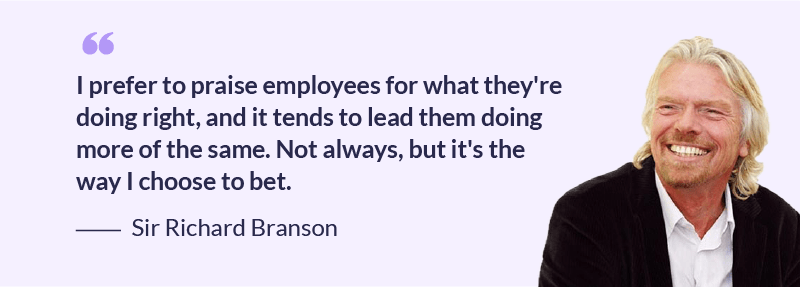
Importance of Informal Employee Recognition
A study conducted by Forbes stated that,
92% of employees repeat excellent work when they’re recognized for it.
Employee recognition is a fundamental aspect of fostering a positive organizational culture. It is also a potent way to motivate your employees to do their best at their job. Informal recognition, which is about spontaneity, adds an extra touch of authenticity.
With this understanding in mind, let’s explore some key pointers underscoring the importance of informal employee recognition.
1. Instant Impact
Quick acknowledgments like a simple “thank you” or a public shout-out can work wonders to boost employee morale. It validates their work in real-time and reinforces their sense of purpose.
Moreover, it creates a ripple effect, inspiring others to strive for excellence.
How Instant Recognition Helps
- Instant recognition keeps employees engaged.
- Quick acknowledgement helps in booosting employees' confidence.
- Instant praise foster a positive and supportive workplace culture.
- Regular, real-time recognition can decrease employee turnover by increasing job satisfaction.
2. Everyday Effort Matters
Sometimes, it’s the little things that count the most. Recognizing the small, daily victories demonstrates that you notice and appreciate the consistent effort your team puts in.
Whether it’s a well-written email or a smooth client call, acknowledging these moments of excellence reinforces positive behaviors. It also encourages a culture of continuous improvements.
3. Teamwork Makes the Dream Work
Collaboration is at the heart of every successful team. When you acknowledge, you recognize their contributions. At the same time, you reinforce the significance of collective effort.
When team members feel appreciated for their collective endeavors, it strengthens bonds and fosters camaraderie. It motivates everyone to work towards shared goals.
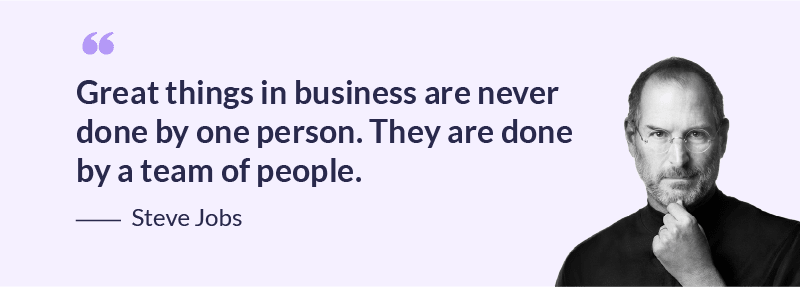
4. Specificity is Key
Generic praise is nice. But personalized recognition is even better. When you take the time to pinpoint what exactly was commendable about their work, it shows that you were paying attention and genuinely impressed.
Specific praises feel more authentic and meaningful. It resonates with employees on a deeper level and reinforces desired behaviors.
For example: Amanda, the product demo you gave to the clients yesterday was great. Your attention to details and in-depth understanding of the product features has impressed me. Keep up the good work!
5. Low-cost, High impact
A study by Bersin & Associates found that,
Companies allocating 1% or more of their payroll to employee recognition are 79% more successful in reaching their business objectives compared to those spending less than 1% on recognition.
Informal employee recognition is economical. It doesn’t require hefty financial investments or elaborate reward systems. Instead, it relies on genuine appreciation and acknowledgement.
Simple gestures like “thank you” or personalized shout-out can reap substantial benefits without breaking the bank. The emphasis on cost-effectiveness makes informal recognition accessible to teams of all sizes and budgets.
Now, here are some ideas to recognize employees informally.
15 Ideas to Recognize Employee Informally
Appreciating an employee’s efforts and achievements is more important than ever. Informal recognition isn’t just about boosting spirits. It’s about creating a vibe where everyone feels valued.
Here are ten simple yet impactful ideas to recognize and celebrate your employee’s contributions in meaningful ways.
1. Employee Shout-outs
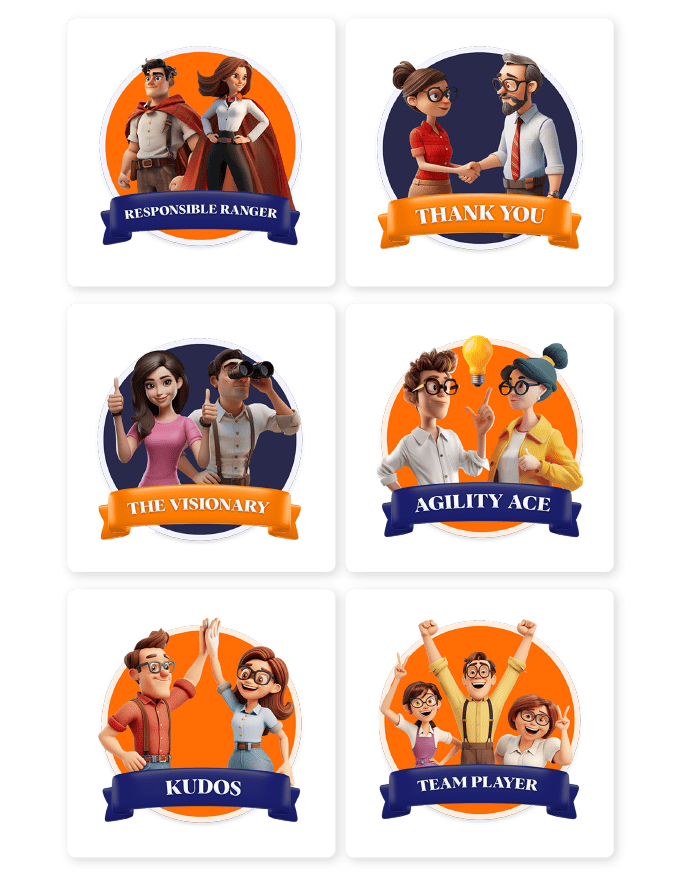
Employee shout-outs can be a great way to recognize your employees informally. It’s a powerful way to show appreciation to your team members. In fact, it’s akin to a resounding round of applause for their outstanding contributions.
The reasons to give shout-outs can be countless, whether it's celebrating a milestone, appreciating steady progress, or simply acknowledging a job well done.
Make shout-outs a regular part of team meetings or company communications. Maintain consistency in recognizing achievements.
2. Spot Awards
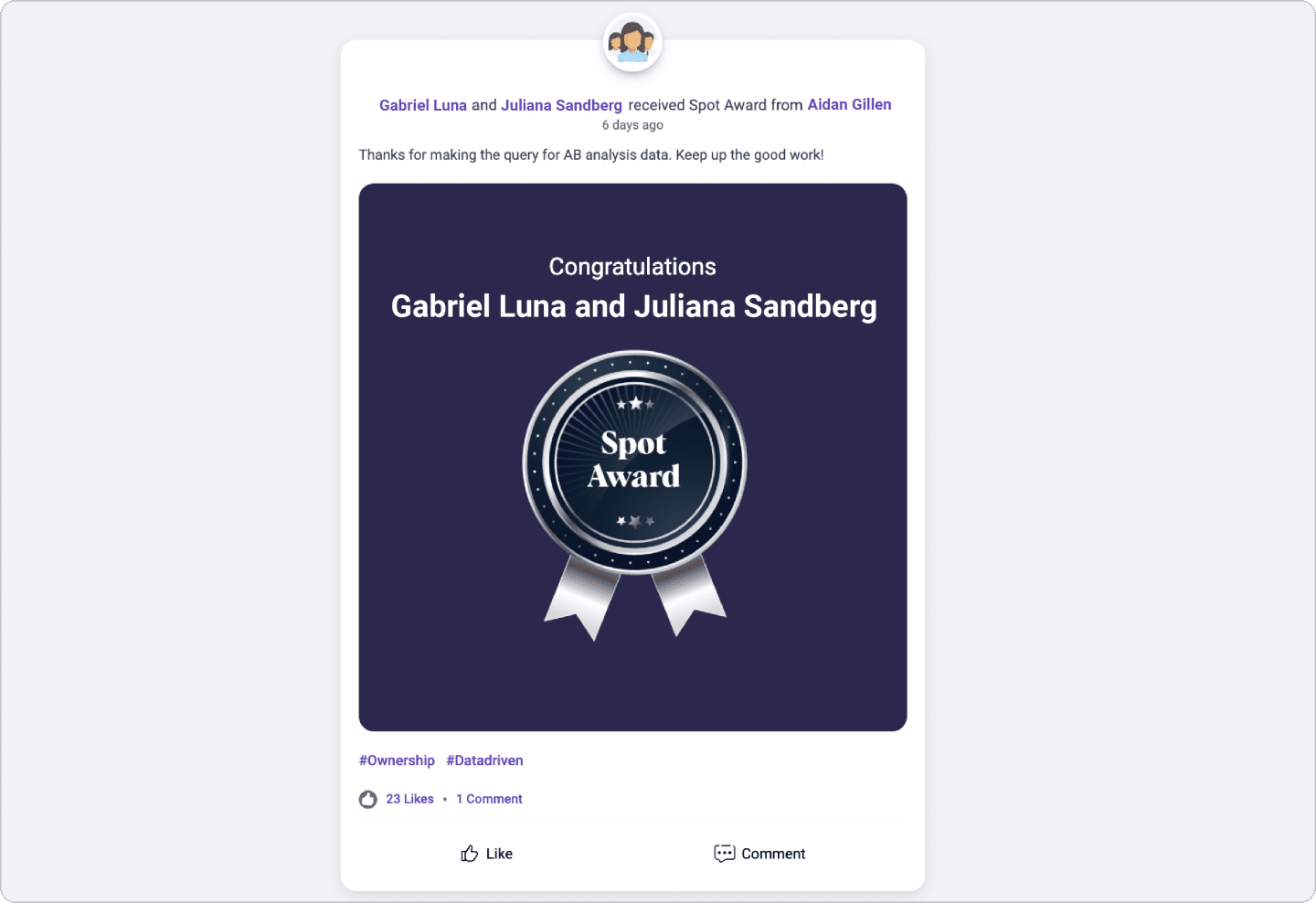
Spot award is a spontaneous reward given to employees for exceptional performance. They're like surprise bonuses that recognize employees' hard work and dedication in real-time.
Whether it's a gift card, a day off, or a small token of appreciation, spot awards show employees that their efforts are noticed and valued.
3. Peer-to-peer Recognition
A study by Select Software Reviews found that,
28% of employees feel that feedback from their peers has the greatest impact on their sense of acknowledgment.
Peer-to-peer recognition efforts can go a long way. Our peers are the ones who help us in fostering a collaborative work environment. They can also reinforce the idea that we’re all integral parts of a unified team.
So, here are some examples on how to add that personal touch and recognize your colleagues.
A. Natasha has always gone above and beyond to get the work done. But what stands out is her ability to communicate and collaborate with her team members. Always ready to help and take proactive initiatives to maintain the highest standard of work. May the force be with her.
B. A massive shout out to Eric. The way he manages to get the job done with efficiency is commendable. With his support our team can achieve great results. Certainly, an amazing team player.
4. Personalized Thank You Notes
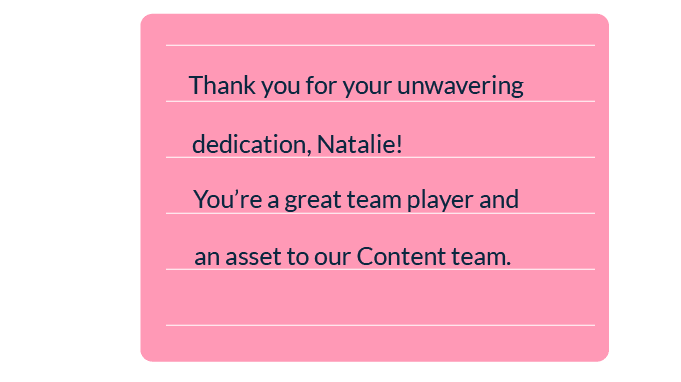
It's not just about saying "thank you." It's about acknowledging their specific contributions and the impact they've made. Whether it's for a job well done, going the extra mile, or simply being a supportive teammate, personalized thank-you notes show employees that their efforts are noticed and valued.
These messages serve as tangible reminders of their significance within the team, reinforcing their value and boosting morale.
Consider handwriting your thank-you notes. A handwritten note adds a personal touch and shows that you’ve taken the time and effort to appreciate an individual’s unique contributions.
5. Surprise Time-off
A study by Forbes study underscored that,
31% of employees named paid time off as a top benefit.
Surprise time-off is a cherished break that demonstrates a genuine concern for employees' well-being. It can be an impromptu afternoon off or an unexpected long weekend.
Such gesture allows employees to recharge and return refreshed.
6. Recognition in Company Newsletters

Highlighting employee achievements in the company newsletter is like sharing success stories with the entire team.
You can recognize milestones, showcase impressive projects, or praise outstanding performance.
Featuring these accomplishments in the newsletter reinforces a culture of appreciation.
7. Wall of Fame
People work for money but go the extra mile for recognition, praise and rewards.
~Dale Carneige
Seeing their name up on the recognition wall can be a real boost for employees. It's like a pat on the back, saying, "Hey, you're on the right track!"
But it's not just about winning. Sometimes, when things aren't going so great, that wall of fame can serve as a reminder to keep pushing forward. It showcases achievements and reinforces the values we all strive to embody, motivating everyone to keep giving their best.
8. Impromptu Celebrations
Spontaneous celebrations for team successes or milestones strengthen team camaraderie and morale. A pizza party, a team outing, or a simple acknowledgment during a meeting. These impromptu celebrations show employees that their hard work is valued and appreciated.
9. Celebrating Milestones
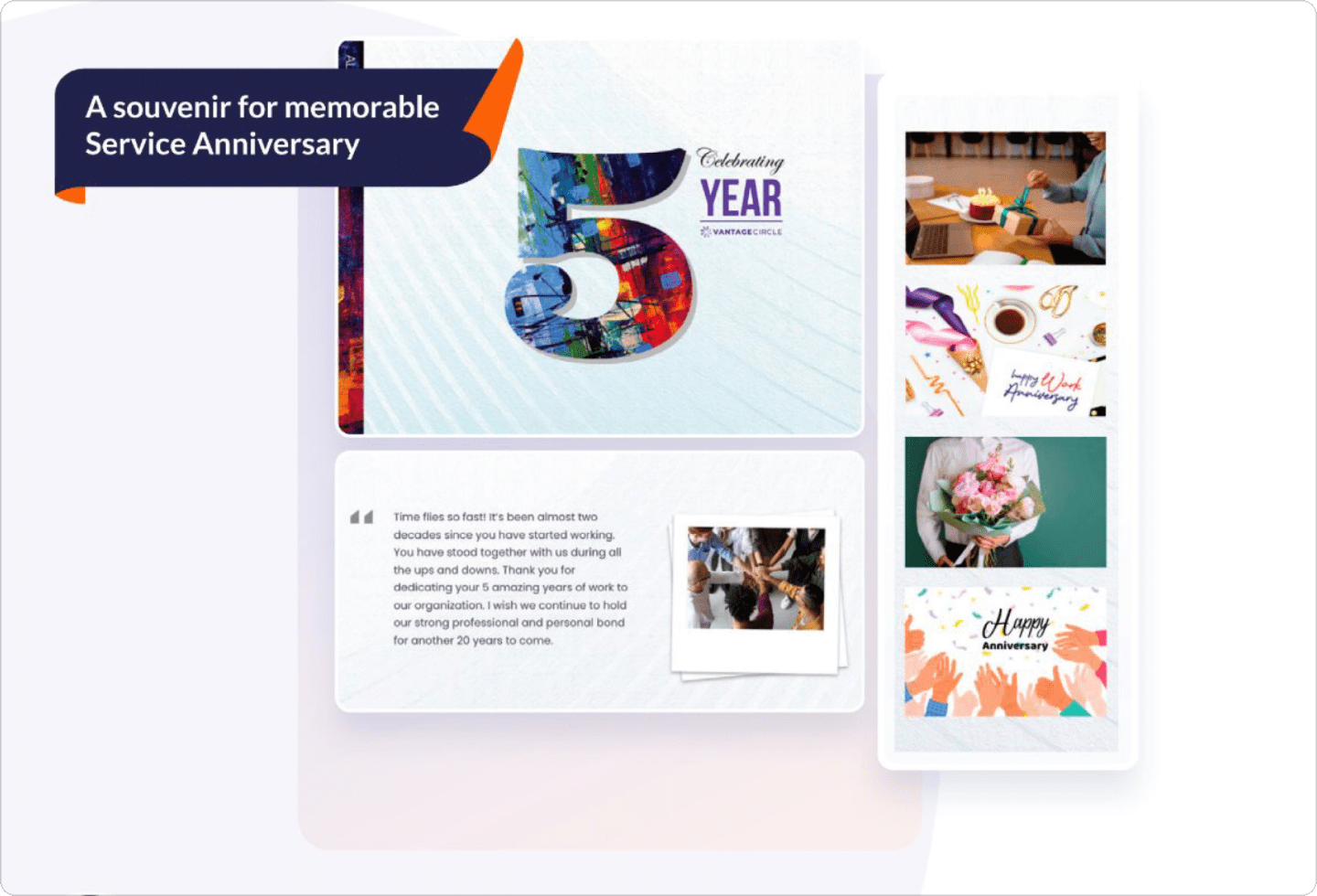
Regularly celebrating personal and professional employee milestones such as work anniversaries, birthdays, and project completions is a great way to show appreciation. These celebrations can take the form of informal gatherings with snacks and drinks, creating a relaxed environment where everyone can enjoy each other's company.
For remote teams, virtual celebrations can be just as effective. With video calls, online games, or even sending care packages to make the occasion special. Recognizing these important moments fosters a sense of belonging.
Incorporate personalized touches into your milestone celebrations. For example, include a brief speech highlighting specific achievements of the individual or team being celebrated, or create a custom slideshow with memorable moments.
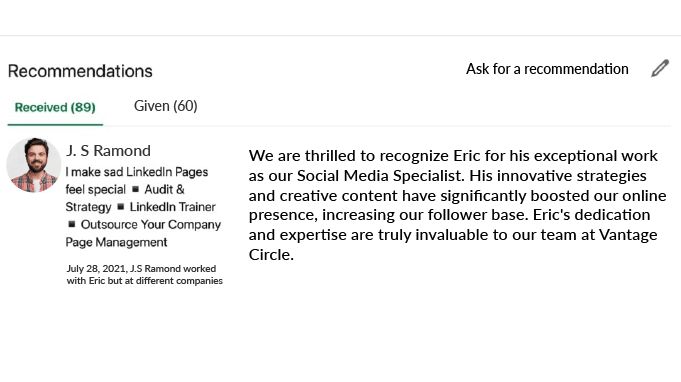
10. Write a LinkedIn Recommendation
You can craft a compelling LinkedIn recommendation for your employees. It’s a testament to their exceptional skills and professionalism.
These endorsements serve as valuable assets that can unlock new opportunities and fortify professional connections.
Example of LinkedIn Recommendation
11. Manager Walk-Around Recognition
Sometimes, the most powerful recognition doesn’t come through a screen. It comes from a manager who walks over to an employee’s desk, looks them in the eye, and says, ”Hey, I noticed what you did there. That was great.”
This is called management by walking around and it works. When leaders take the time to be physically present and personally acknowledge good work, it signals something important: ”You matter enough for me to stop what I’m doing.”
It’s face-to-face, it’s real, and it’s unforgettable. No app required.
12. Recognition in Team Chats or Slack Channels
Your team is already on Slack, Teams, or some chat tool. Why not use it for recognition?
A quick shout-out in a shared channel does wonders. It’s public, it’s quick, and everyone sees it in real time.
Imagine logging into Slack on a Monday morning and seeing this: ”Big shout-out to Marcus for staying late on Friday to fix the launch bug. The client was thrilled. You’re a hero, Marcus!”
That’s the kind of message that sets the tone for the whole week. And the best part? It costs zero dollars and takes thirty seconds to write. A dedicated #kudos or #wins channel makes it even easier for the whole team to join in with reactions and replies.
13. Skill Spotlight Conversations
A skill-spotlight conversation is when a manager or team lead specifically acknowledges an employee’s unique strength and asks them to share it with the team.
Think of it like this, you pull your team member aside and say, ”Your ability to turn complex data into simple, clear visuals is genuinely impressive. Would you be open to running a short session for the team next month?”
That’s recognition with a multiplier effect. You’re not just telling your teammate she’s good at something. You’re giving her a platform. And that kind of trust? It goes a long, long way.
14. "You Made a Difference" Message
A ”You Made the Difference” message is a direct, outcome-linked recognition. It connects the employee’s action to a real result and that connection is everything. It shows employees that their work doesn’t just happen in a vacuum. It moves the needle.
For example: “James, because you flagged that error before the report went out, we avoided a costly correction with the client. Your attention to detail made the difference today. Seriously, thank you.”
Specific. Impact-driven. Personal. That’s a message James won’t forget anytime soon.
15. Learning and Growth Recognition
Most recognition focuses on results. But what about the effort to grow?
According to LinkedIn’s Workplace Learning Report, 94% of employees say they would stay longer at a company that invests in their learning and development.
Learning and growth recognition means acknowledging when an employee picks up a new skill, takes initiative to self-improve, or steps into uncomfortable territory to stretch their abilities.
It validates the invisible efforts. The late nights, the extra reading, and the willingness to learn.
Recognizing the journey is one of the simple and most cost-effective way to show that investment.
Informal Employee Recognition vs Formal Employee Recognition
Some of the key differences between informal and formal employee recognition are:
Scroll to explore →
| Aspect | Informal Employee Recognition | Formal Employee Recognition |
|---|---|---|
| Definition | Spontaneous and casual method of acknowledging employee efforts. | Structured and officially sanctioned method of recognizing employee achievements. |
| Scope | Often individual or small team-based recognition. | Can be individual, team, or company-wide recognition. |
| Criteria | Flexible and often subjective based on immediate contributions. | Often based on predefined criteria and performance metrics. |
| Formality | Casual, personal, and often public within small groups. | Official, formal, and often involves larger audiences. |
| Delivery Method | Verbal praise, written notes, emails, social media mentions. | Formal events, official announcements, formal presentations. |
| Cost | Generally low-cost or no cost. E.g., time-off, small gifts. | Can be higher cost. E.g., monetary bonuses, trophies, formal events. |
| Flexibility | Highly adaptable to different situations and individual preferences. | Rigid and standardized across the organization. |
| Example | Shout-outs, thank-you notes, spontaneous celebrations. | Annual awards, employee of the month, formal certificates, bonuses. |
Read more: Types Of Employee Recognition-All You Need To Know
Formal or Informal: Which is Better?
If your business operates within a formal and corporate environment, it's crucial to implement a recognition program that aligns seamlessly with this structured approach.
Conversely, if your business culture leans towards informality and flexibility, investing efforts into establishing an informal recognition program can prove to be highly beneficial.
Nevertheless, integrating both approaches according to your unique circumstances is the most effective strategy. By doing so, you create a dynamic recognition framework that accommodates various work styles and preferences.
Ultimately, the goal is to provide abundant opportunities for your employees to surpass their potential and feel genuinely valued.
Ensure your recognition program is inclusive, taking into account the diverse backgrounds and contributions of all employees. Tailored recognition fosters a sense of equity and belonging within the team.
How to Build an Informal Recognition Program in 5 Steps
"Just appreciate people more" is not a program. It's a wish.
Here's a practical framework to build informal recognition that actually sticks.
Step 1: Define Your Purpose
You must get clear on what you're recognizing and why before you send a single shoutout.
Start with your company values, for instance. If collaboration is a core value, recognize it explicitly. If innovation matters, call out the employee who proposed a new idea, even if it didn't get approved. Your employees understanding that recognition means something specific, they start paying attention to those behaviors in themselves and each other.
Step 2: Set Frequency Norms
If you leave recognition frequency to individual managers, most will do it once a quarter and call it a habit.
You must set clear expectations. Your managers should recognize at least one team member per week, a Slack message, a 1:1 note, a standup callout.
Peers should aim for at least one appreciation per week. The goal isn't to police recognition. It's to make the expectation visible so everyone knows what "good" looks like.
Step 3: Choose Your Channels
You've to map your channels to where employees already spend their time. It can be a #shoutouts Slack channel, personalized email notes, or a recognition platform.
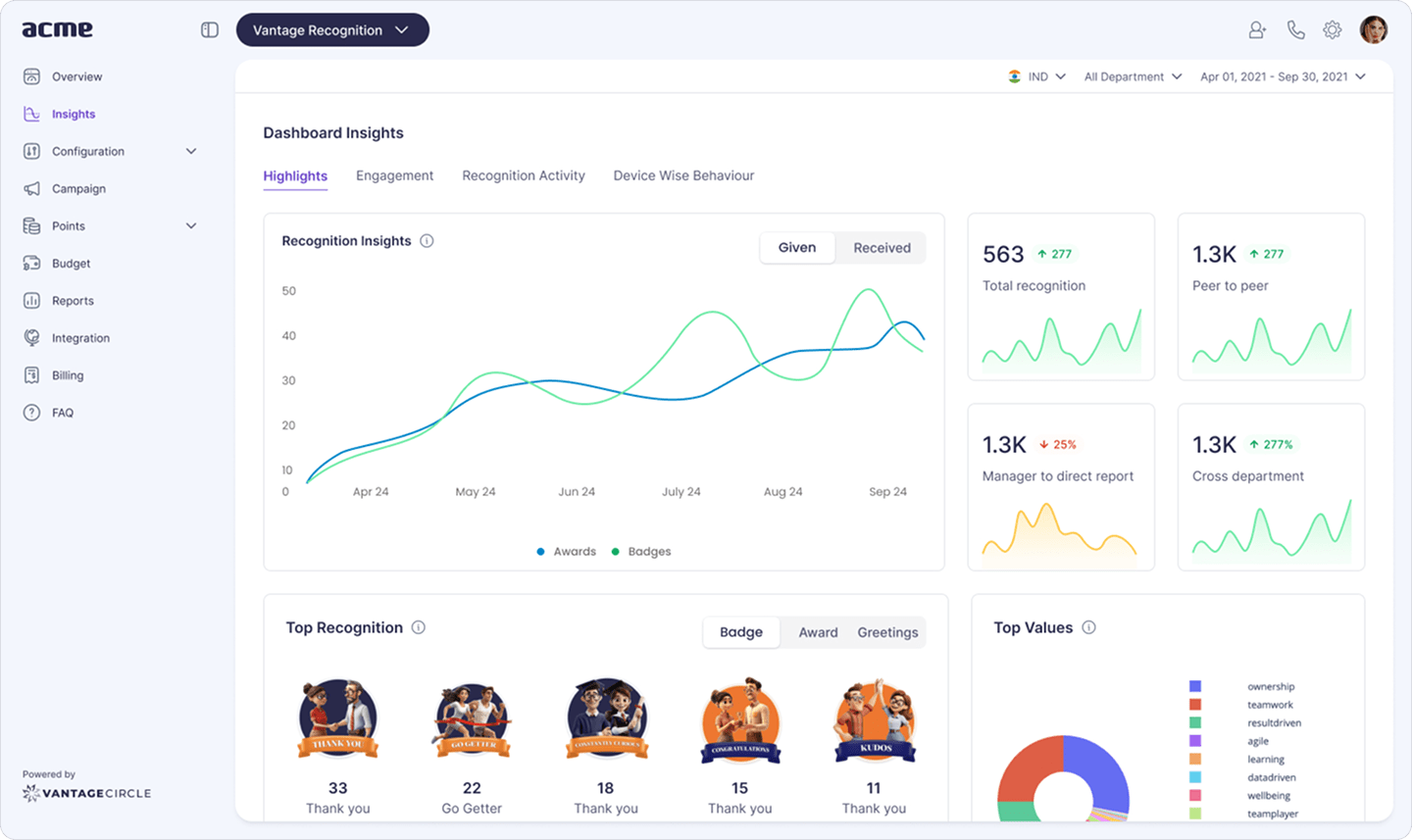
In fact, platforms like Vantage Recognition let HR launch themed recognition campaigns (Peer Appreciation Month, Innovation Sprint) without any IT support. They also provide auto-launch, auto-close, real-time dashboards.
For starters, pick two channels that fit your culture and commit to them. never forget, consistency beats variety.
Step 4: Train Managers First
Managers are the linchpin of informal recognition. If they don't model it, peers won't sustain it.
A 30-minute training session covers the essentials: be specific, recognize within 24–48 hours while the moment is fresh, and know whether each team member prefers public or private appreciation.
Small adjustments, big difference.
Step 5 Measure What Matters
You've to track three things:
- Recognition frequency per team
- Participation rate
- eNPS correlation
Gaps in frequency often signal manager behavior issues worth addressing.
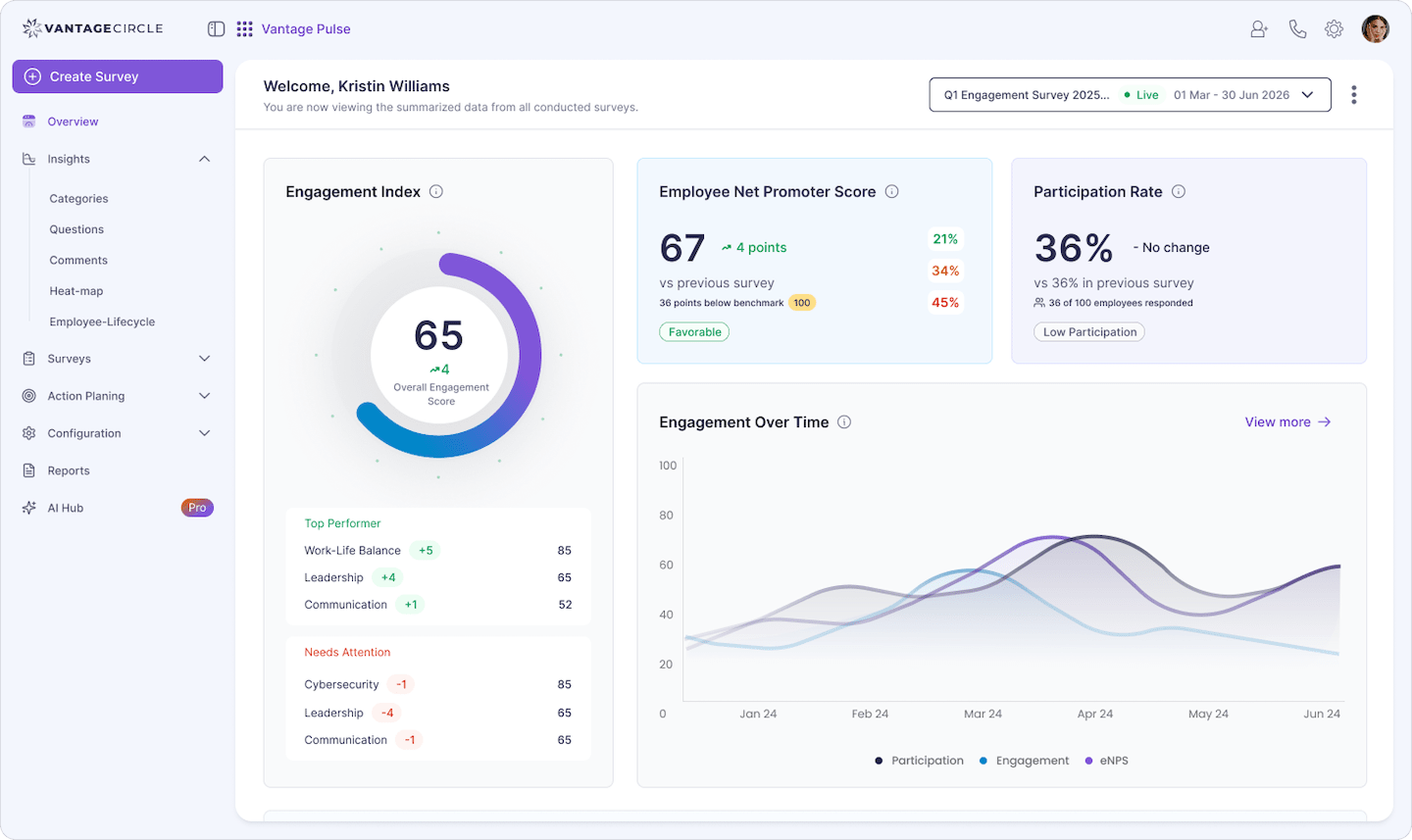
This is where Vantage Pulse comes in. It's an AI-powered employee engagement survey tool that surfaces recognition and engagement metrics automatically. No manual report-pulling, no guesswork.
HR teams get real-time visibility into how recognition is landing across teams, so you can course-correct before disengagement sets in.
FAQs
1. What is informal employee recognition?
Informal employee recognition is spontaneous, frequent appreciation given in the moment by peers, managers, or anyone in the organization. Unlike formal programs, it requires no budget approval, no scheduled timeline, and no HR coordination.
Examples include verbal praise, Slack shoutouts, handwritten notes, and peer-to-peer recognition badges.
2. What's the difference between formal and informal recognition?
Formal recognition is planned, scheduled, and budget-dependent (Employee of the Month, annual awards). Informal recognition is spontaneous, zero-cost, and can happen daily. Both are important but informal recognition is the daily engine that sustains engagement between formal milestones.
3. How do you recognize employees informally without spending money?
The most effective informal recognition costs nothing: specific verbal praise, a public shoutout in a team meeting, a personalized thank-you note, or a peer recognition message in Slack. The key is specificity and frequency. Generic praise once a quarter has less impact than specific, frequent appreciation.
4. How do you give informal recognition to remote employees?
For remote teams: Slack/Teams channel shoutouts, video message appreciation clips, digital recognition badges on employee profiles, and peer-to-peer recognition platforms that surface appreciation across distributed teams.
Wrapping Up
And there you have it! Informal employee recognition is a game-changer in today's workplace. From those spontaneous shout-outs to surprise celebrations, these little moments of appreciation pack a powerful punch.
So, whether your workplace is all suits and ties or more casual Fridays, don't underestimate the power of informal recognition. By mixing it up with your formal programs, you're creating a workplace where everyone feels seen, heard, and motivated to give their best.
Cheers to celebrating the small wins and making every day at work a little brighter!

This article is written by Sanjeevani Saikia. Sanjeevani Saikia is a Senior Content Strategist at Vantage Circle, where she leads end-to-end content strategy across SEO, thought leadership, brand storytelling, podcasts, and video. She is also the face behind the Vantage Influencers Podcast. Through this platform, she engages with industry leaders from leading organisations across the globe, including Fortune 500 companies.
Connect with Sanjeevani on LinkedIn.