
When it comes to employee recognition, few names shine brighter than Dr. Bob Nelson - the founder of Employee Appreciation Day. I had the absolute pleasure of hosting him on the Vantage Influencers Podcast recently, where we chatted about something every workplace should be thinking about right now:
How to wrap up the year with recognition that's not just fun, but truly memorable.
But before that, it's worth understanding why year-end recognition matters in the first place.
Why is End-of–Year Employee Recognition Important?
Year-end is the perfect time to pause and reflect on everything your team has achieved - the goals met, the projects completed, and the challenges overcome.
But behind every success are people - the ones who made it all happen. That's why recognizing employees at the end of the year isn't just nice to do - it's essential. It's your chance to say, "We see you. We appreciate you."
You might wonder, "Isn't salary enough? Why go the extra mile?"
Because recognition isn't about money - it's about meaning. When employees feel genuinely valued, they stay longer, care more, and perform better.
Research from Great Place to Work highlights three simple reasons why recognition works:
- It helps retain top talent
- It boosts engagement
- It drives higher performance
In short, employees who feel appreciated bring more energy, creativity, and commitment to their work.
Doing this at the end of the year matters even more - it lifts employee morale, builds momentum, and helps teams start the new year with pride, positivity, and motivation (and yes, a little less of the January blues!).
With that in mind, let's dive into some practical ideas and insights that I gathered from my conversation with Bob to make year-end celebrations more meaningful.
1. Recognition Isn't a Routine - It's a Moment of Emotion
Dr. Nelson began with a powerful truth: recognition is emotional currency.
Too often, companies treat year-end recognition like a checklist - certificates, a few claps, maybe a group photo. But if people don't feel genuinely valued, none of them stick.
Many year-end programs fall flat because they become predictable - the same speech, the same awards, the same buffet. When recognition feels recycled, it loses sincerity. People crave surprises, authenticity, and emotion - not just ceremony. In fact, almost 50% of employees say they value spontaneous recognition more than scheduled awards functions.
"People may forget what you gave them," Bob said, "but they'll never forget how you made them feel."
That means recognition must connect at a human level - surprise, laughter, pride, even tears of joy. When it hits the heart, it lasts far beyond the event.
One story that stood out to me was when Bob shared how he once wrote individual notes to each of his 16 direct reports, mentioning specific achievements and personal gratitude. Some employees were so touched they teared up. That's the emotional impact personalized recognition can have.
This is where platforms like Vantage Rewards can help. With its Recognition Composer, managers can craft thoughtful, personalized messages with AI-guided prompts that ensure every note feels genuine and specific.
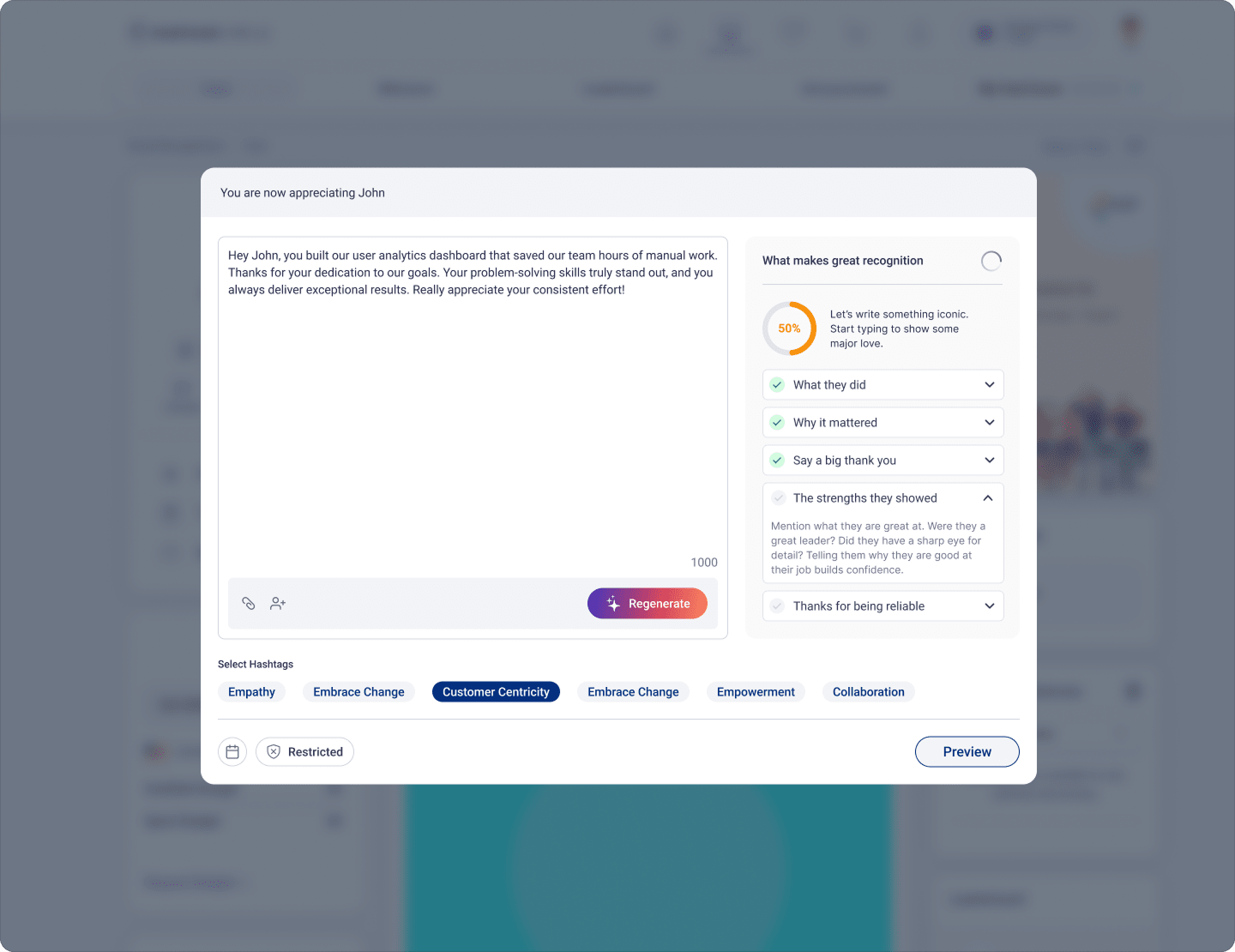
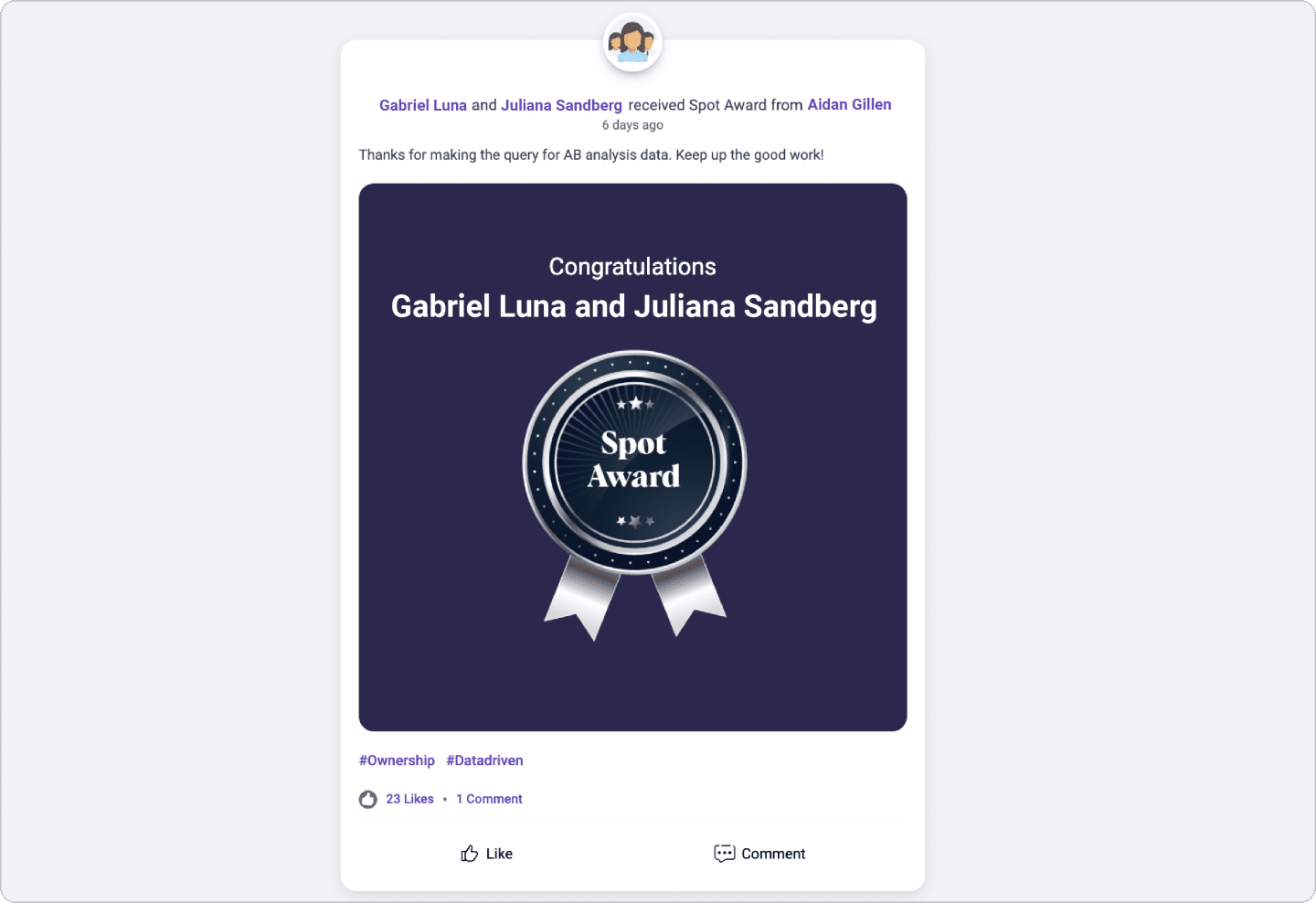
The platform also enables spontaneous spot awards - so when someone goes above and beyond, you can recognize them instantly with monetary or non-monetary rewards, right in the moment they deserve it.
2. Public or Private? Know Your People.
A big part of meaningful recognition is knowing how each person likes to be appreciated.
Not everyone loves stage moments. Some thrive on social recognition; others prefer a quiet "thank you" in private. The key is knowing your people well enough to recognize them in a way that fits their comfort zone.
When managers notice and respect those differences, their recognition feels more genuine and heartfelt.
This hit me because it's so true. Recognition only works if it fits the person. Some like to light up in front of everyone. Some smile quietly when someone notices their effort privately. Paying attention to that, says, "I see you," in a way that really matters. It turns a simple thank-you into pride, connection, and motivation.
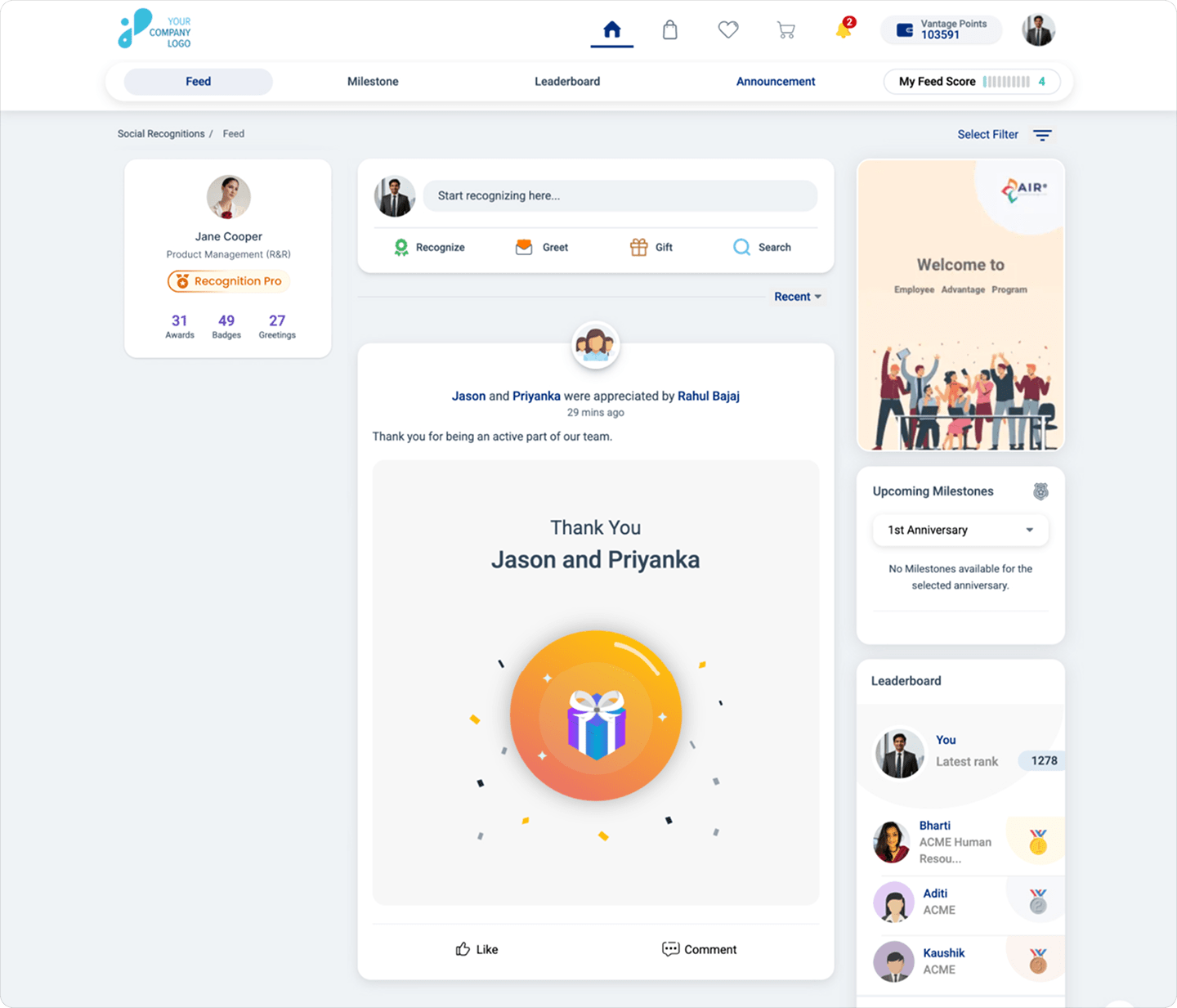
Vantage Rewards' social recognition feed makes this easy - employees can choose how they want to give and receive appreciation, whether through public posts on the social wall or private messages.
3. Keep It Fun - But Make It Mean Something
"Fun" doesn't have to mean "frivolous."
A little humor and creativity go a long way, especially during year-end celebrations. Many organizations bring this to life through playful yet heartfelt awards like:
- The Deadline Ninja for handling chaos with calm
- The Culture Champion for someone who embodies the company's values
- The Spark Plug Award for infectious energy
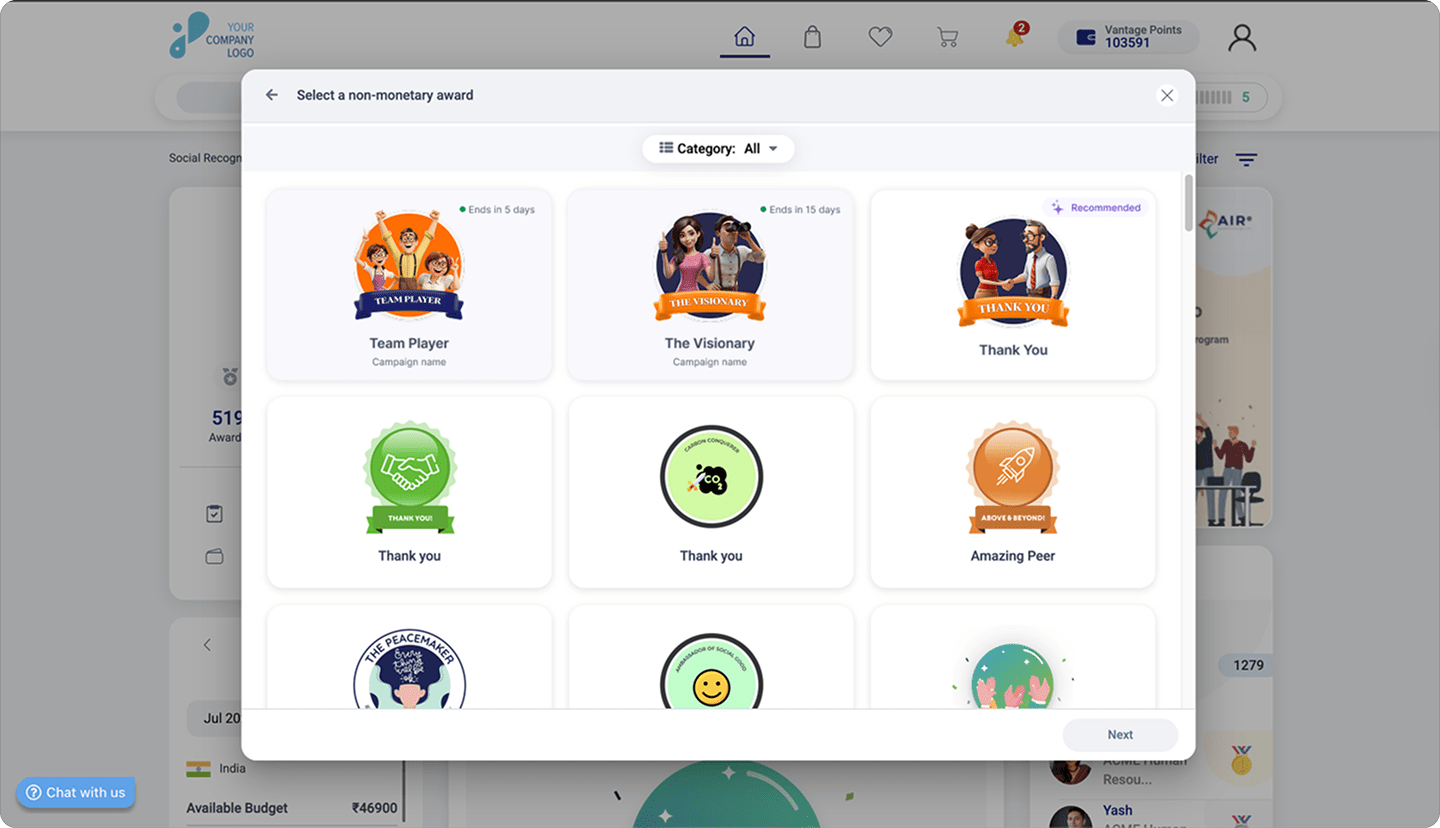
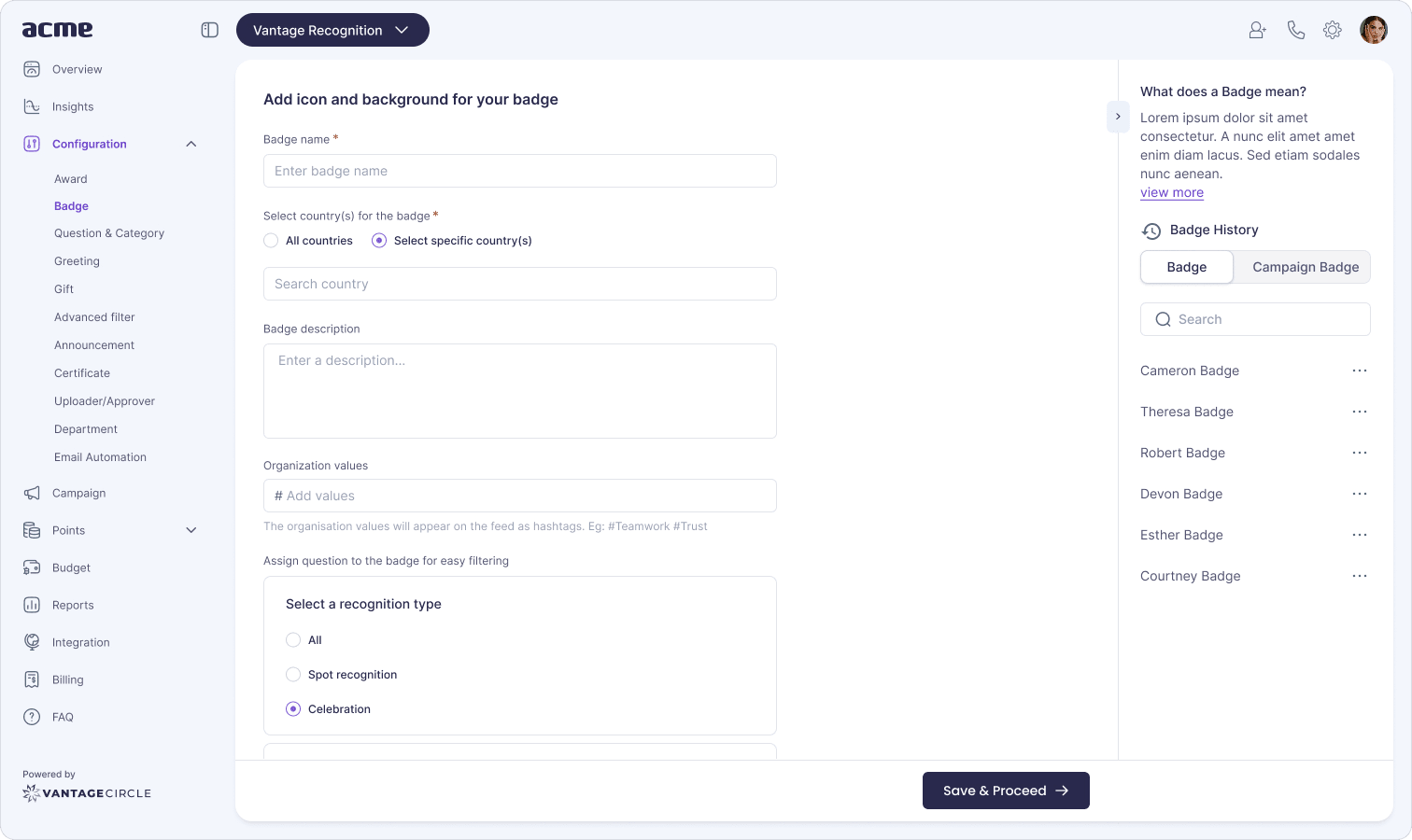
We can also roll out Recognition Badges. It's a quick and meaningful way to spotlight everyday stars, from behind-the-scenes heroes, culture champions to well-being champs.
These ideas make people smile, but they also carry meaning. The point isn't to turn recognition into a joke - it's to make it personal, warm, and memorable.
You can also keep celebrations fresh with creative twists - like casino nights, fun door prizes contributed by leaders (a golf outing or a dinner experience), or gift exchanges with a playful theme. These moments spark joy, connection, and lasting memories.
With Vantage Rewards, creating custom badges is straightforward - you can design badges that reflect your company's unique culture, values, and inside jokes.
4. Don't Copy "Best Practices." Invent "Next Practices."
Dr. Nelson made a sharp observation - too many organizations rely on best practices that are decades old.
"Stop copying recognition ideas," he said. "Start creating experiences that fit your culture."
That might mean re-imagining the traditional award night. Maybe your company hosts a storytelling session where peers share appreciation stories. Maybe leaders surprise employees with personalized thank-you videos. Maybe families join in to celebrate achievements. When recognition reflects the soul of your organization, it naturally becomes more impactful.
What I find powerful about "Next Practices" is how they can shape the behaviors and culture we want for the future. Recognition isn't just about celebrating what happened - it can nudge people toward collaboration, innovation, and taking ownership.
Recognizing employees also has a tangible impact. Those who feel valued are 45% less likely to leave, showing just how strongly recognition shapes culture.
I love thinking about it this way: every acknowledgment is a tiny signal about what we value and what we expect more of next year. When recognition aligns with those signals, it becomes more than a ceremony - it becomes a tool to drive the kind of culture we actually want to build.
For more inspiration on building a unique recognition strategy, check out these employee recognition ideas that go beyond the typical awards ceremony.
Build a Recognition Strategy That Drives Real Results
Get our comprehensive R&R Guide — packed with frameworks, best practices, and real-world strategies used by top HR teams worldwide.
Download the Free Guide5. Year-End Recognition Should Spark Year-Round Energy
Employee appreciation shouldn't be a once-a-year activity. The best recognition cultures keep it alive throughout the year.
In fact, Gallup recommends recognizing employees at least once a week - or offering at least four types of recognition every quarter - to keep appreciation continuous and authentic.
Some simple ideas to keep appreciation alive throughout the year:
- Start meetings with a quick appreciation round
- Keep a digital "kudos wall" where anyone can post thanks
- Encourage leaders to give spontaneous, specific praise
By the time December comes, the year-end celebration becomes a culmination of continuous gratitude - not a desperate catch-up.
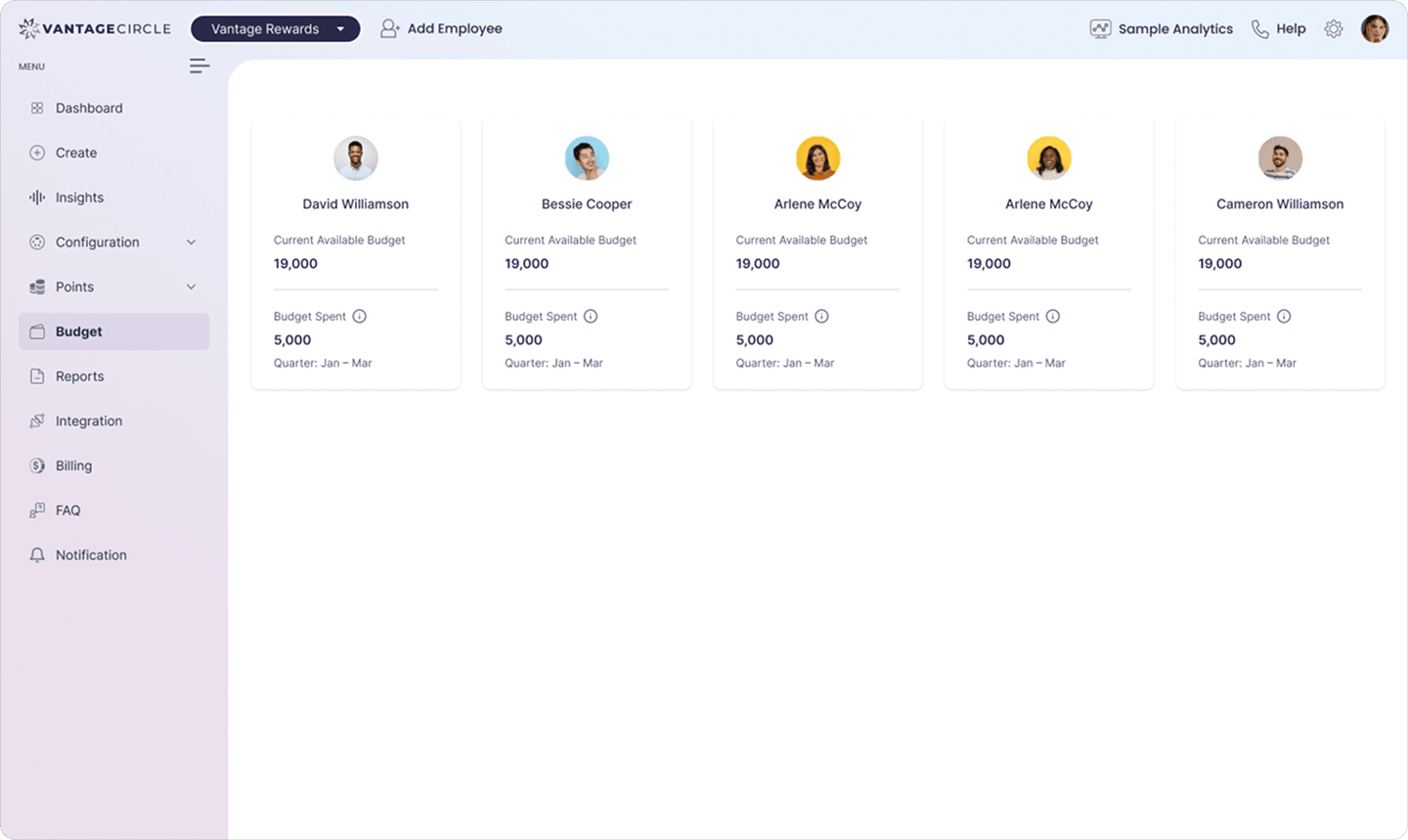
Vantage Rewards makes year-round recognition effortless with its always-on social feed, budget management for managers, and automated reminders for milestones like work anniversaries and birthdays.
If you're looking to build a more structured approach, consider starting a peer-to-peer recognition program that empowers everyone to participate.
6. Let Employees Help Design the Celebration
HR leaders should note - involve your employees in shaping how recognition happens.
Ask them:
- What kind of celebration feels most meaningful?
- How do they want to be appreciated?
- What recognition moments stand out from the past?
When employees co-create the recognition experience, it instantly becomes more inclusive, creative, and relevant. It's recognition for them, designed by them.
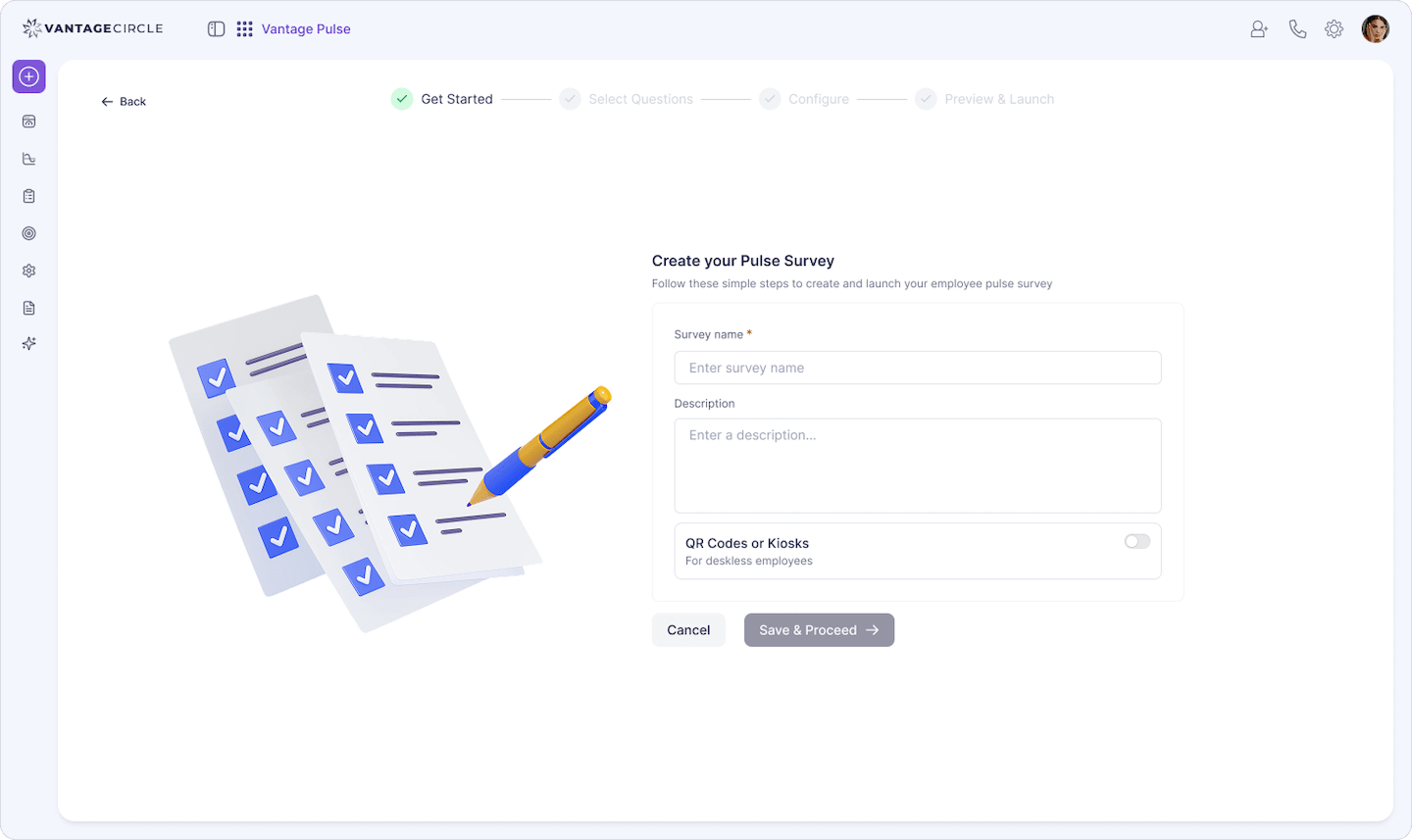
This is where Vantage Pulse can help. With its custom survey builder, you can gather employee preferences on recognition styles, celebration formats, and reward choices - all anonymously if needed.
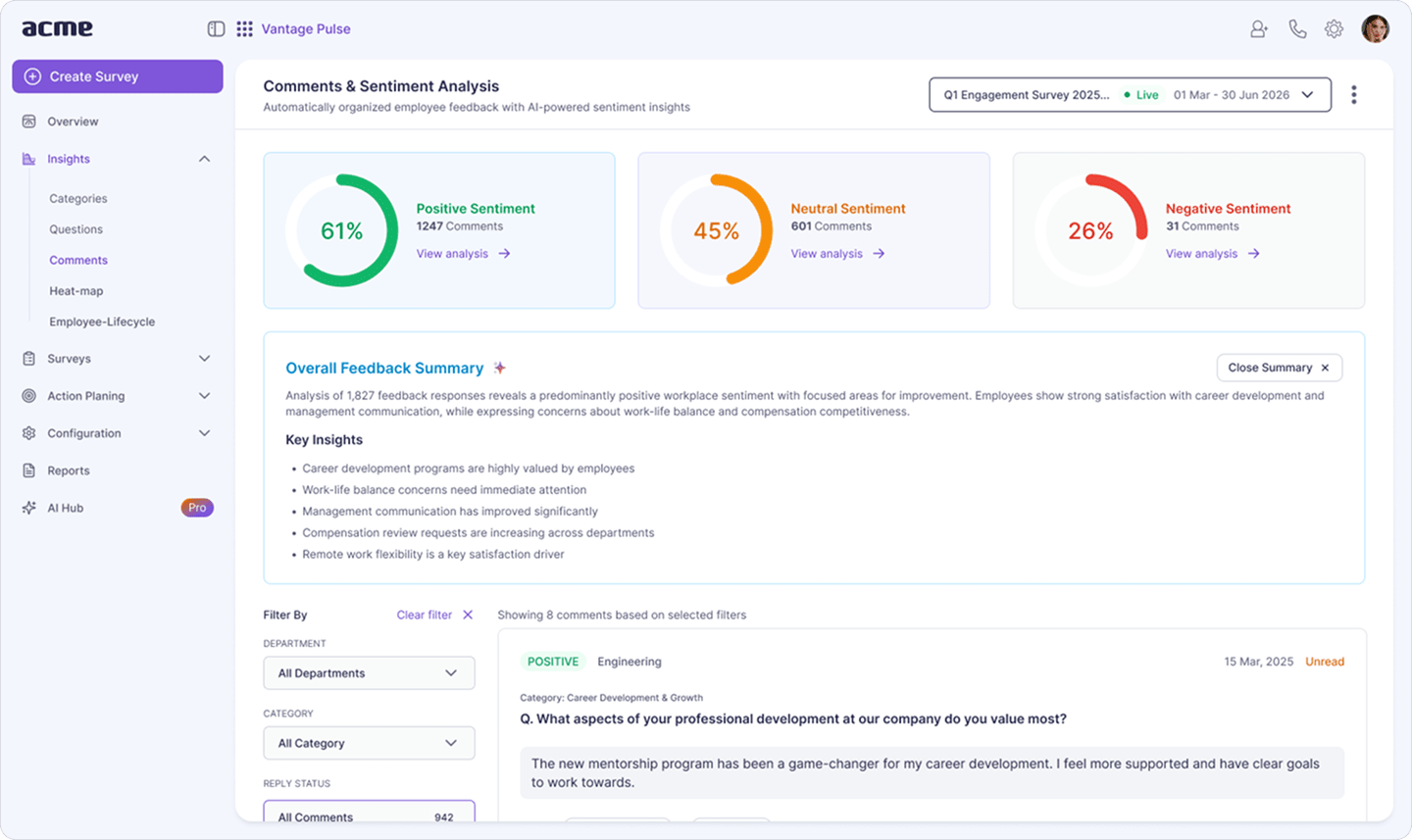
The sentiment analysis feature even uses AI to summarize feedback themes, so you know exactly what your employees want without manually reading hundreds of responses.
For more insights on crafting effective surveys, explore these employee survey questions specifically designed for recognition programs.
Of course, sustaining that spirit throughout the year takes more than good intentions.
Make Milestones Matter All Year Long
Year-end is also the perfect time to think about service anniversaries and long-tenure employees. These milestones deserve more than a generic email.
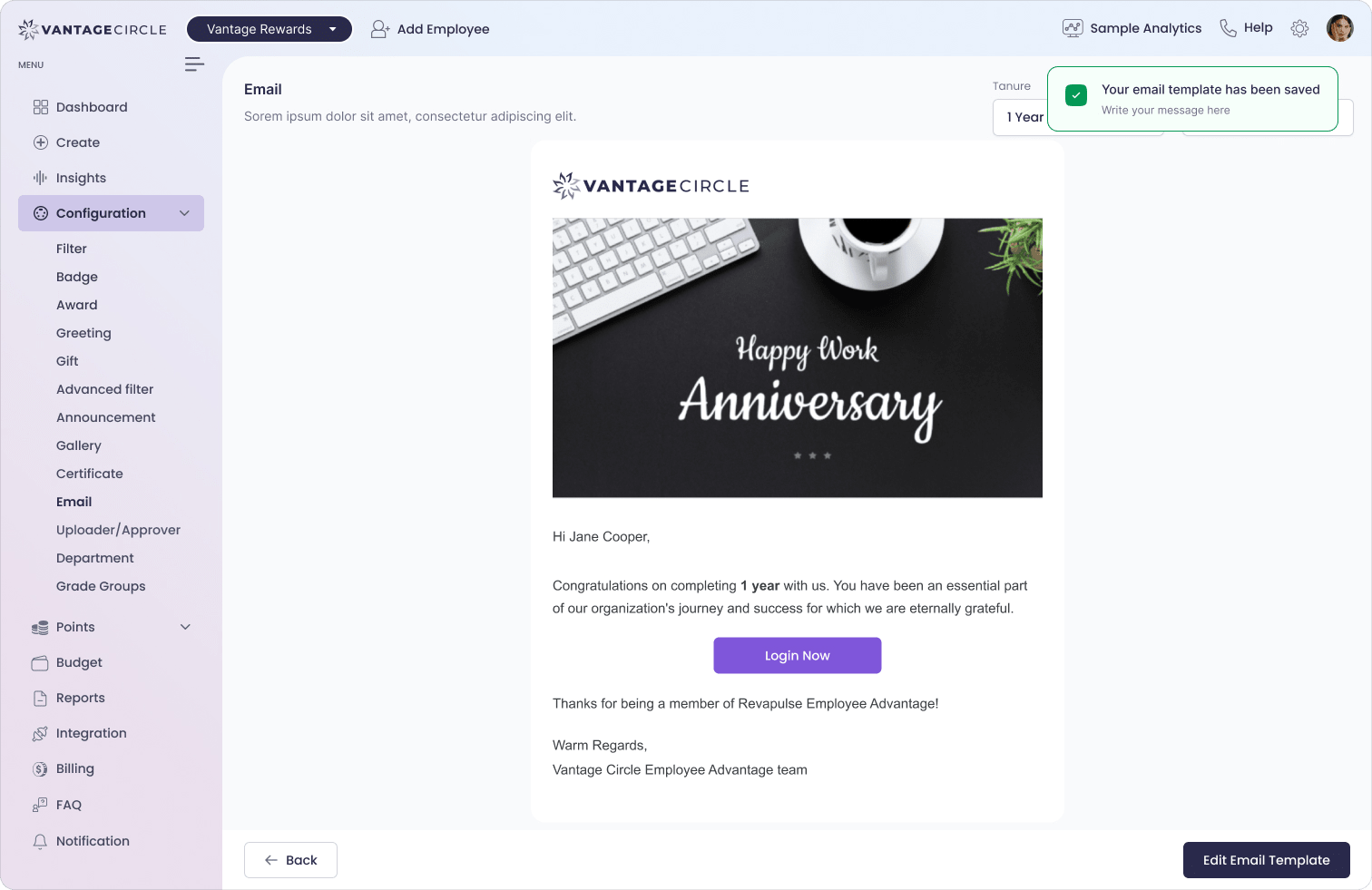
For example, a Service Yearbook feature can create personalized commemorative experiences for work anniversaries - complete with AI-generated messages, curated memories, and milestone celebrations that feel truly special.
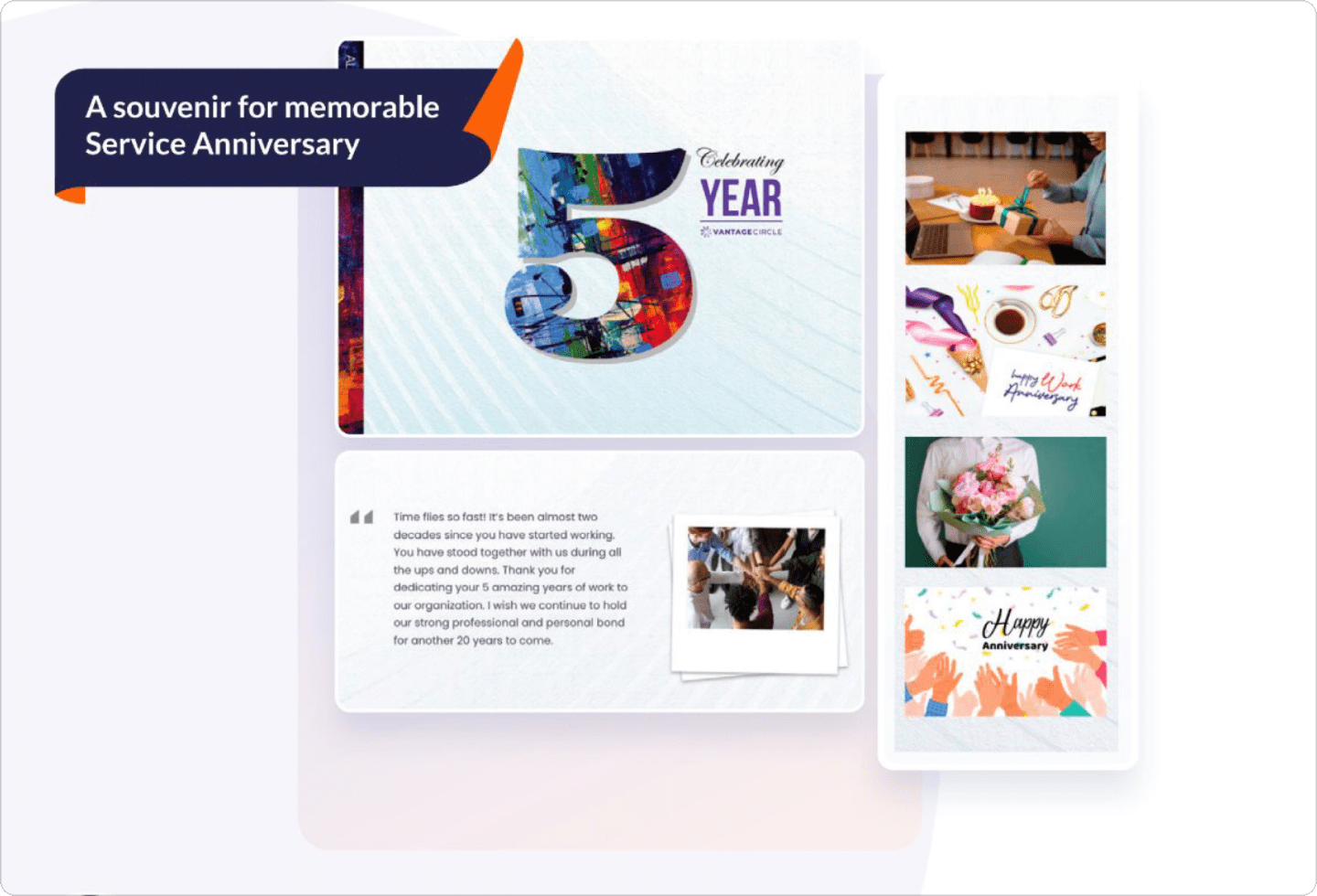
For major milestones (5, 10, 15+ years), the Milestone Catalog lets employees redeem anniversary rewards that match their preferences - from gift cards to experience vouchers.
Learn more about making work anniversaries memorable and why years of service awards matter for retention.
Add Perks to Your Recognition Mix
Recognition doesn't always have to be formal. Sometimes, the best way to show appreciation is through everyday benefits that employees can actually use.
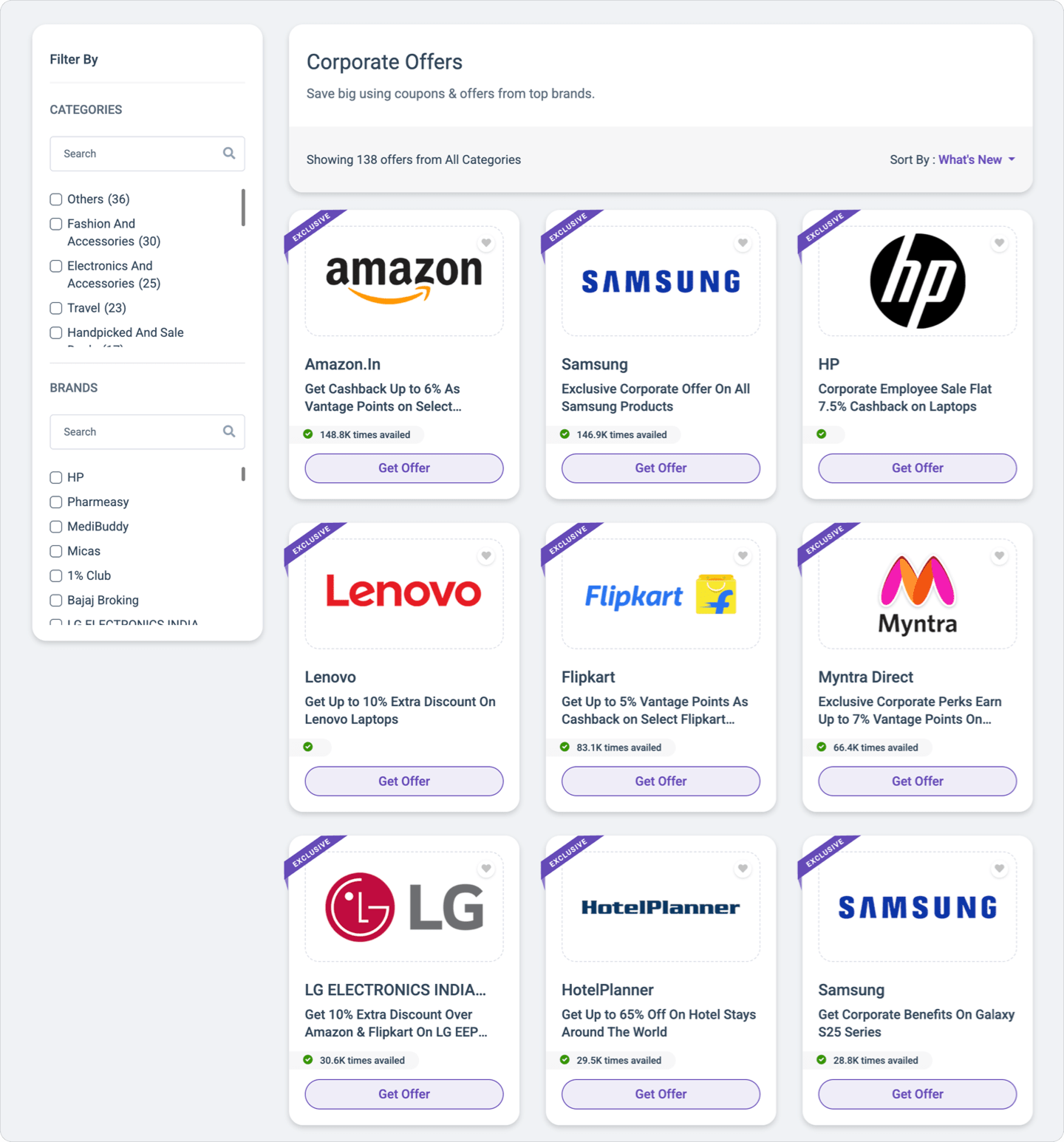
Vantage Perks offers a corporate discounts marketplace where employees can access exclusive deals on brands they love - from dining and shopping to travel and entertainment.
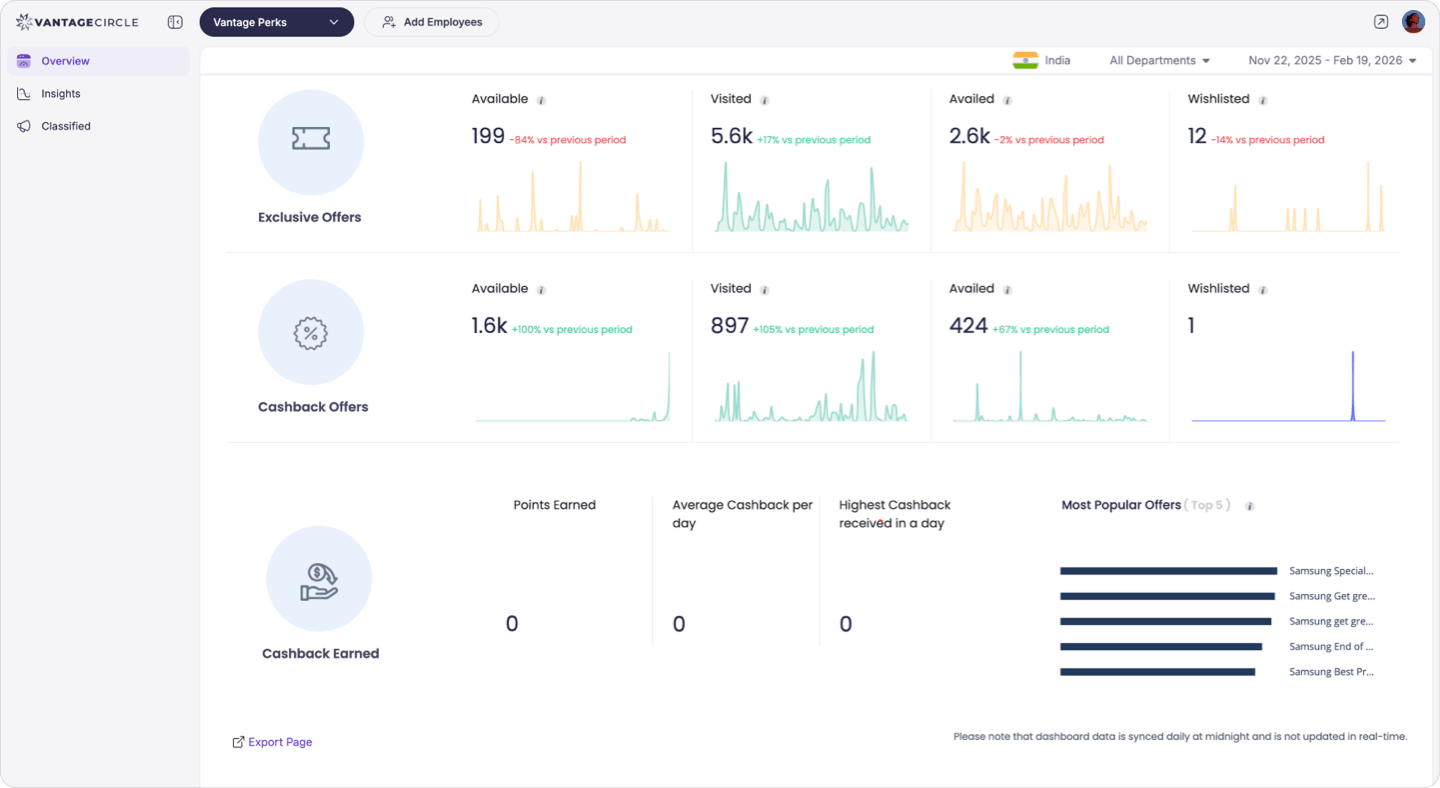
The best part? You can track engagement and see which perks resonate most with your team.
Wrapping It Up (With a Little Fun!)
Hosting Dr. Bob Nelson was a reminder that meaningful recognition isn't about budgets or big stages - it's about thoughtfulness, emotion, and fun.
So, as teams gear up for the year-end, here's the takeaway:
Make it heartfelt, not habitual.
Keep it playful, not performative.
And above all, make it about people, not policies.
Because when recognition is real, it doesn't just wrap up the year - it sets up the tone for the next one!

This article is written by Susmita Sarma. She is a Digital Marketer at Vantage Circle, making employee recognition less of a checkbox and more meaningful - helping organizations say “we value our people” and truly mean it.
Connect with Susmita on LinkedIn.